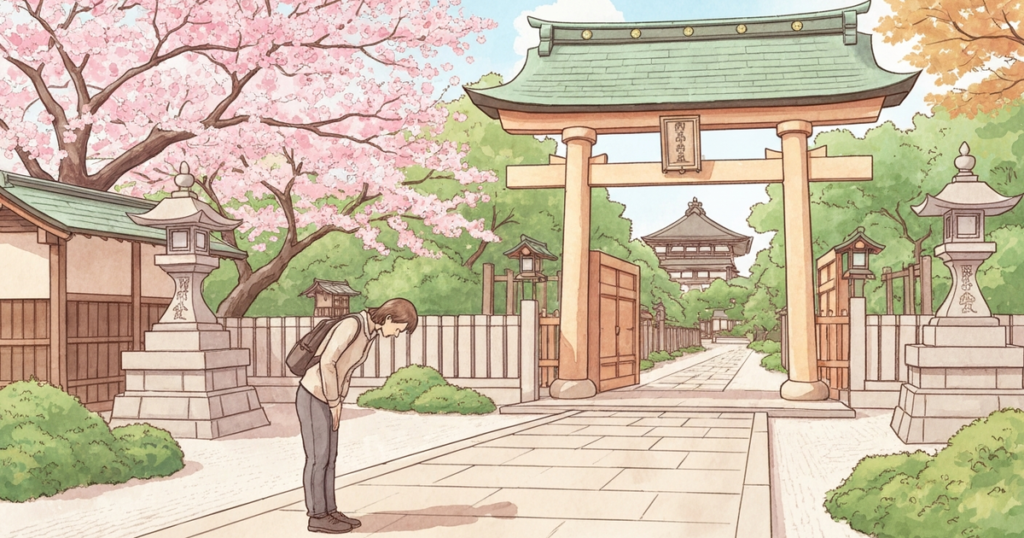
Last Updated: February 17, 2026 | Written by Takehiko, born and raised in Japan
How We Write: Every recommendation in this guide is based on 52 years of living in Japan. We update this article every 90 days. All rules and regulations were last verified on February 17, 2026.
Quick Summary: Japan welcomed 36.8 million visitors in 2024, and the numbers keep climbing. This japanese etiquette tourists guide covers the 15 rules that matter most — with the cultural “why” behind each one, the mistakes that make locals cringe, and the 2026 regulatory changes that could cost you real money. Spoiler: Japanese people are forgiving, and trying is what counts.
Ready to start planning? Browse top-rated Japan experiences on Klook | GetYourGuide Japan
Returning visitor? See what’s changed since your last trip →
In This Guide:
– What’s Changed
– The Golden Rule
– 1. Bowing — Your First Impression
– 2. Shoes Off — The Clean/Unclean Divide
– 3. Temple & Shrine Etiquette
– 4. Dining Etiquette — Itadakimasu
– 5. Chopstick Taboos — The Two You Must Never Break
– 6. Onsen (Hot Spring) Rules
– 7. Train & Public Transport Behavior
– 8. No Eating While Walking
– 9. Tipping — Just Don’t
– 10. Money Handling — Use the Tray
– 11. Volume & Noise — Read the Air
– 12. Photography Rules — Ask First
– 13. Queuing & Public Order
– 14. Pointing & Gestures
– 15. Trash & Cleanliness
– Regional Differences: Tokyo vs Osaka vs Kyoto
– 2026 Rule Changes That Affect Your Wallet
– How Much Do Etiquette Mistakes Actually Cost You?
– Etiquette Rules You Don’t Need to Stress About
– Essential Japanese Phrases
– FAQ
– Plan Your Trip
What’s Changed
Returning to Japan? Here’s what’s new since our last update:
| Date | Change |
|---|---|
| February 2026 | Initial publication |
First time visiting? Skip to the Golden Rule →
The Golden Rule of Japanese Etiquette
Photo by Guohua Song on Pexels
Before we get into the 15 rules, here’s the single most important thing to know about japanese etiquette tourists need to understand: Japan values harmony (wa) and consideration for others (omoiyari). Every rule on this list flows from those two concepts.
You’re not expected to be perfect. Japanese people understand you’re a visitor, and genuine effort is always appreciated. I’ve watched tourists panic about doing the wrong bow at a shrine, and honestly, the fact that they tried at all made the shrine priest smile.
My 82-year-old mother still corrects me on chopstick technique — so if a 52-year-old Japanese man can’t get it right every time, you’ll be fine. Just be aware, try your best, and when in doubt, watch what the people around you are doing.
Now let’s get into the specifics.
1. Bowing (Ojigi) — Your First Impression
Photo by George Dolgikh on Pexels
Takehiko’s Importance: ★★★☆☆ | Difficulty: Easy | Consequence of Getting It Wrong: None (people appreciate any effort)
The rule: A small head nod or slight bow from the waist is how Japanese people greet, thank, and apologize. As a tourist, you don’t need to master the full bowing system — a gentle 15-degree nod covers 90% of situations.
Why it matters: Bowing reflects humility and social awareness. The angle communicates formality: about 15 degrees for a casual greeting (eshaku), 30 degrees for business situations (keirei), and 45+ degrees for deep gratitude or apology (saikeirei). You’ll only ever need the casual nod.
The mistake tourists make: Attempting a handshake while simultaneously bowing, creating an awkward hybrid that looks uncomfortable for everyone. If someone extends their hand, shake it. Otherwise, a slight nod works perfectly.
Local Tip: When receiving a business card, accept it with both hands, read it carefully, and don’t write on it or shove it in your back pocket. Place it on the table in front of you during the meeting.
2. Shoes Off — The Clean/Unclean Divide
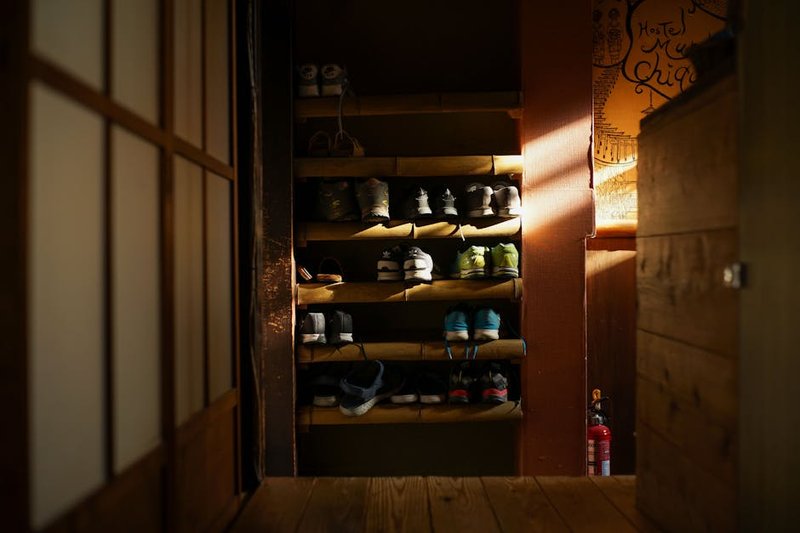
Photo by Ngeow Shen Sin on Pexels
Takehiko’s Importance: ★★★★★ | Difficulty: Easy | Consequence of Getting It Wrong: Genuinely rude
The rule: Remove your shoes at the entrance (genkan) of homes, ryokans, many temples, traditional restaurants, and some museums. Slippers are usually provided. Remove slippers before stepping on tatami mats.
Why it matters: This comes from Shinto concepts of purity. The inside is clean; the outside is not. The genkan — that small step-up area at the entrance — is the boundary line. This isn’t just tradition; it’s deeply embedded in how Japanese people think about space and cleanliness.
The mistake tourists make: The bathroom slipper disaster. At ryokans and traditional restaurants, there are special slippers just for the bathroom. You swap into them, do your business, and swap back to the regular slippers when you leave. Walking back to the dinner table in bathroom slippers is the single most common foreigner faux pas at ryokans — and yes, everyone notices.
I grew up in Saitama, and my mother would have had a meltdown if I’d walked past the genkan with shoes on. Even now at 52, I automatically take my shoes off the moment I step inside any doorway. It’s muscle memory after a lifetime in Japan.
Local Tip: Pack shoes that slip on and off easily — you’ll be removing them multiple times per day. Bring clean socks. Your feet will be on display constantly, and holes in socks are noticed.
Tourist Mistake: Walking on tatami in slippers. Tatami is always socks-only or bare feet. If you see a tatami room, slippers come off.
3. Temple & Shrine Etiquette
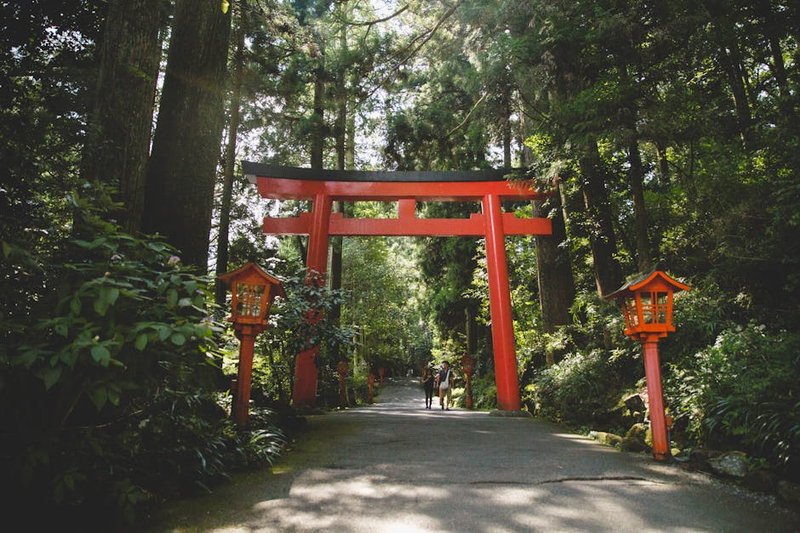
Photo by Daniel Erlandson on Pexels
Takehiko’s Importance: ★★★★☆ | Difficulty: Medium | Consequence of Getting It Wrong: Disrespectful (but usually forgiven)
The rule: There’s a key difference between shrines (Shinto) and temples (Buddhist), and mixing up the prayer ritual is the most common mistake.
At Shinto shrines (torii gates):
1. Bow once before passing through the torii gate
2. Walk along the sides of the path — the center is reserved for the deity
3. At the water basin (temizu): purify left hand, right hand, then rinse your mouth from your cupped palm
4. At the main shrine: toss a coin, bow twice, clap twice, make your wish, bow once more
At Buddhist temples (sanmon gate):
– Press palms together in silent prayer — no clapping
– Burn incense if offered; waft the smoke toward any part of your body that needs healing
Why it matters: Shrines and temples are active places of worship. The purification ritual at the water basin represents cleansing yourself before approaching the sacred. Millions of Japanese people visit these places regularly for real prayer, not tourism.
The mistake tourists make: Clapping at Buddhist temples. Clapping is for Shinto shrines only. Also: walking down the center of the shrine path, loud conversations, ignoring photography restrictions, and touching sacred objects.
Local Tip: A few shrines have different prayer sequences. Izumo Taisha, Usa Jingu, and Yahiko Shrine use “two bows, four claps, one bow” instead of the standard two claps. But unless you’re visiting those specific shrines, the standard “two-two-one” works everywhere.
Tourist Mistake: Skipping the water purification entirely. It takes 30 seconds and shows respect. If the basin is empty or has no ladle, it’s OK to skip it.
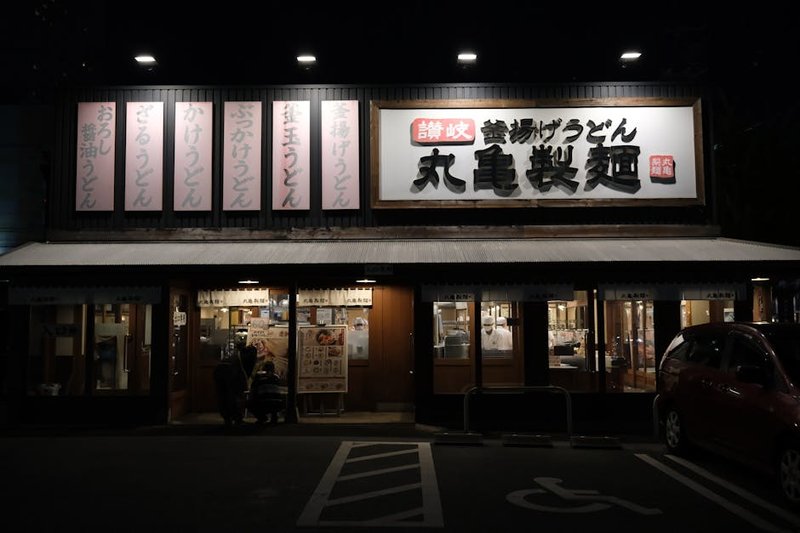
4. Dining Etiquette — Itadakimasu
Takehiko’s Importance: ★★★★☆ | Difficulty: Easy | Consequence of Getting It Wrong: Mildly rude
The rule:
– Say “itadakimasu” (I humbly receive) before eating and “gochisousama deshita” (thank you for the meal) after finishing
– Wait until everyone at the table has been served before starting
– Use toribashi (serving chopsticks) when available for communal dishes; if none are provided, use the reverse end of your chopsticks as an alternative
– Slurping noodles — ramen, udon, soba — is encouraged. It cools the noodles and is considered a compliment to the chef
– The oshibori (wet towel) is for hands only, not your face
Why it matters: “Itadakimasu” literally means “I humbly receive” — it expresses gratitude for the food, the cook, and the life of the ingredients. Communal eating reflects group harmony. Waiting for everyone before eating shows that the group matters more than the individual.
The mistake tourists make: Starting to eat before everyone at the table is served, and using the oshibori towel to wipe their face. The face-wiping thing is common among older Japanese salarymen at casual izakayas, but it’s technically bad manners and won’t be seen at any upscale restaurant.
When I take friends visiting from abroad to a ramen shop for the first time, they always try to eat quietly. I tell them: slurp. Loudly. The guy behind the counter will grin. Quiet noodle eating actually seems weird here — it’s like eating a taco with a knife and fork.
Local Tip: At group meals with alcohol, pour drinks for others and let them pour for you. Pouring your own sake is considered antisocial. And always say “kanpai!” (cheers) before the first sip.
5. Chopstick Taboos — The Two You Must Never Break
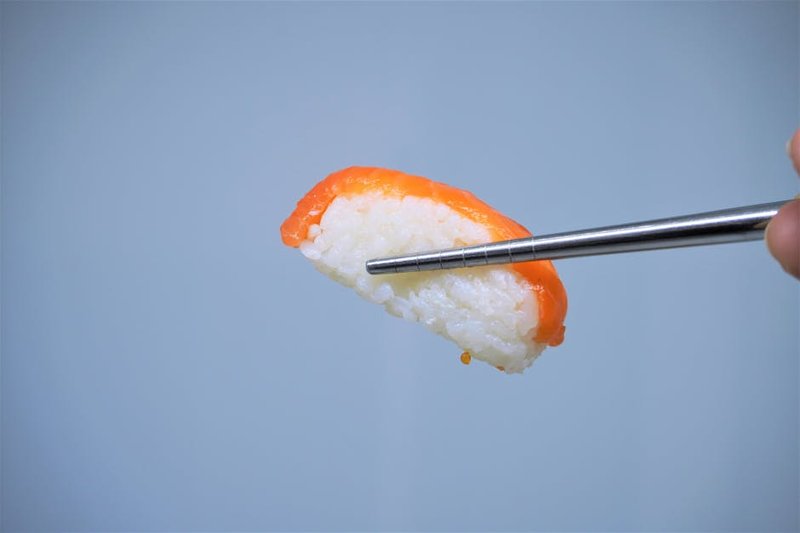
Photo by Raffadhitya Az on Pexels
Takehiko’s Importance: ★★★★★ | Difficulty: Easy (just remember two things) | Consequence of Getting It Wrong: Deeply offensive
The rule:
– NEVER stick chopsticks upright in rice (tate-bashi) — this mimics incense at Buddhist funerals
– NEVER pass food from chopstick to chopstick (hiroi-bashi/awase-bashi) — this mimics the bone-picking ceremony after cremation
– Don’t point, wave, or spear food with chopsticks
– Don’t rub wooden chopsticks together (implies the restaurant is cheap)
– Rest chopsticks on the hashioki (chopstick rest) when not eating
Why it matters: The first two taboos are directly tied to Buddhist funeral rituals. Sticking chopsticks upright in rice looks exactly like the incense sticks placed in rice offerings to the dead. Passing food between chopsticks replicates how family members pass bone fragments into the urn after cremation. These associations are so deeply ingrained that even Japanese children are strictly taught to avoid them from a very young age.
The mistake tourists make: The funeral-associated taboos are the serious ones. Everything else on this list is “slightly rude.” These two are “make the entire table go silent” territory.
I’ve seen this happen exactly once at a restaurant in Shinjuku — a tourist casually stuck their chopsticks into their rice bowl while reaching for a drink. The couple at the next table froze mid-conversation. Nobody said anything, but the air changed. That’s the level of seriousness.
Local Tip: If you’re not confident with chopsticks, most restaurants won’t judge you for asking for a fork. Say “foku arimasu ka?” (Do you have a fork?). It’s far better than struggling and accidentally committing a taboo.
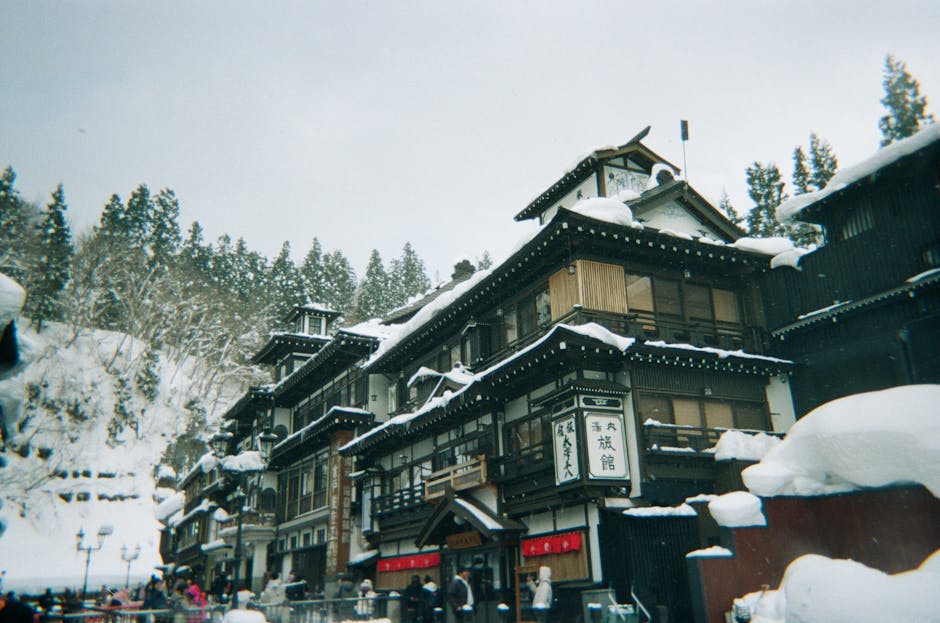
6. Onsen (Hot Spring) Rules
Takehiko’s Importance: ★★★★★ | Difficulty: Medium | Consequence of Getting It Wrong: Very rude (you may be asked to leave)
The rule:
1. Wash thoroughly with soap at the shower stations BEFORE entering the bath
2. Enter completely naked — no swimsuits, towels, or cloths in the water
3. Keep your small towel on your head or beside the bath, never in the water
4. Don’t let your hair touch the water (tie it up)
5. Keep noise to a minimum
6. Most traditional onsen prohibit tattoos, though “foreigner-friendly” options are increasing
Why it matters: The communal bath is about purity — keeping the water clean for everyone is the core principle. The pre-wash ensures the shared water stays uncontaminated. Entering without washing is the equivalent of jumping into someone’s bath after a run.
The mistake tourists make: Entering the bath without washing first, or wearing a swimsuit. Both will get you stares and potentially asked to leave.
Tattoo update for 2026: The tattoo situation is slowly improving. Chain brand Kai (part of Hoshino Resorts) has updated its acceptance policy, and Beppu is arguably Japan’s most tattoo-friendly hot spring town. Some onsen provide concealment patches for small tattoos. Private onsen (kashikiri) are always an option — they cost ~¥3,000-5,000 per hour and give you a bath entirely to yourself.
Local Tip: Look for onsen with English websites — it’s a reliable indicator of foreigner-friendliness. The Welcome Suica Mobile app (launched March 2025) and JNTO’s official site both list tattoo-friendly onsen.
7. Train & Public Transport Behavior
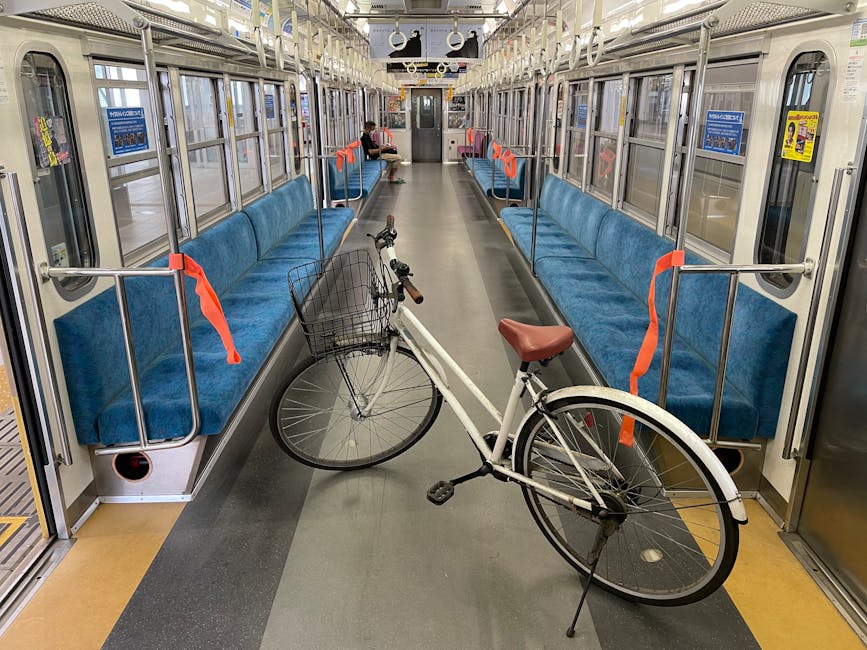
Photo by Takehiro Yokozeki on Pexels
Takehiko’s Importance: ★★★★★ | Difficulty: Easy | Consequence of Getting It Wrong: Annoying to everyone around you
The rule:
– Set your phone to “manner mode” (silent). Absolutely no phone calls on trains
– No loud conversations or music
– Keep to one side on escalators (left in Tokyo, right in Osaka — though both cities are gradually pushing for standing on both sides for safety)
– Line up on the platform marks. Wait for passengers to exit before boarding
– Don’t eat on local trains (Shinkansen and long-distance trains are an exception — eating ekiben boxed lunches on the bullet train is encouraged and part of the experience)
– Give up priority seats for elderly, pregnant, disabled, and those with small children
Why it matters: Public transport in a country with 126 million people packed into livable areas smaller than California requires extraordinary cooperation. The quiet train car exists so exhausted commuters can rest. Noise intrudes on that collective consideration.
The mistake tourists make: Talking loudly on trains. This is the #1 foreigner faux pas in Japan — more noticed than any other. A group of tourists chatting at normal volume on a rush-hour train stands out like a foghorn. Japanese commuters won’t say anything, but the discomfort in the car is palpable.
I take the Saikyo Line from Saitama to central Tokyo several times a week. Even after decades of commuting, I still unconsciously drop my voice to near-whisper the moment I step on the platform. It’s that automatic for Japanese people.
Local Tip: On escalators, the “stand on one side” norm is gradually shifting. Several prefectures have passed ordinances encouraging people to stand on both sides for safety. If you’re unsure, just watch what people ahead of you are doing.
Tourist Mistake: Eating onigiri or snacks on a local commuter train. Save it for the platform or the Shinkansen.
8. No Eating While Walking
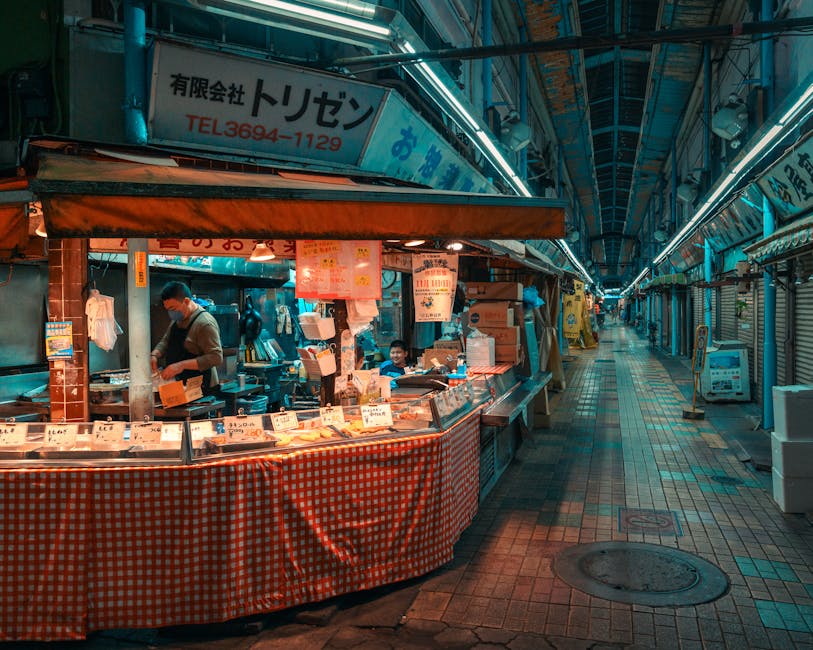
Photo by SHIYOUNG LEE on Pexels
Takehiko’s Importance: ★★★☆☆ | Difficulty: Easy | Consequence of Getting It Wrong: Mildly rude (noticed but not confronted)
The rule: Eating while walking (tabearuki) is generally frowned upon. Buy your street food, eat it near the stall or find a bench, and then continue walking.
Exceptions: Festivals, designated street food areas like Osaka’s Dotonbori, and some tourist markets where eating while browsing is part of the culture.
Why it matters: Japanese culture emphasizes appreciating food mindfully and in the proper setting. Eating while moving is seen as disrespectful to the food and potentially messy for others around you.
The mistake tourists make: Buying a taiyaki or dango from a stall and walking away eating it. The shop owner may even hand you a small tray or plate as a hint to eat there.
Local Tip: This rule is slowly relaxing in tourist areas, but locals still notice. When in doubt, stand near the shop where you bought it. Many stalls have a small counter or bench specifically for this purpose.
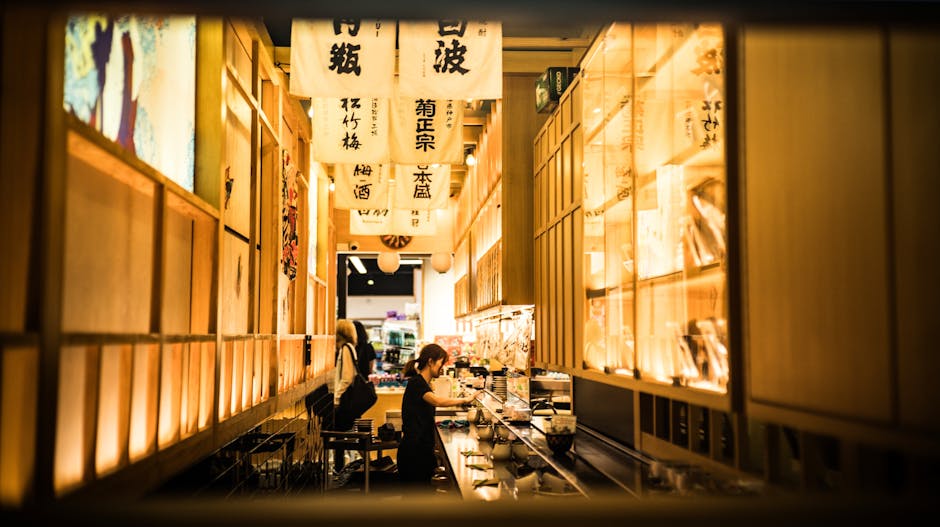
9. Tipping — Just Don’t
Takehiko’s Importance: ★★★★☆ | Difficulty: Easy | Consequence of Getting It Wrong: Causes confusion or embarrassment
The rule: Do not tip at restaurants, bars, taxis, hotels, or hair salons. The price includes service. Full stop.
Why it matters: Excellent service is the professional standard in Japan, not something earned through extra payment. Tipping can imply the staff isn’t adequately paid — or simply cause confusion. I’ve seen waitstaff literally chase tourists down the street to return “forgotten” money left on the table.
The mistake tourists make: Leaving bills on the table after a meal. The staff will assume you forgot your money and run after you. Trying to hand cash directly to a server creates awkward confusion.
The one exception: At high-end ryokans, a tip for the nakai-san (room attendant) is acceptable but never expected. The term is “kokorozuke” — place ¥1,000-3,000 in a small envelope and present it with both hands. Private tour guides may also accept tips graciously if enclosed in an envelope.
Local Tip: The best way to show gratitude in Japan is a genuine “arigatou gozaimasu” with a slight bow. That means more than money.
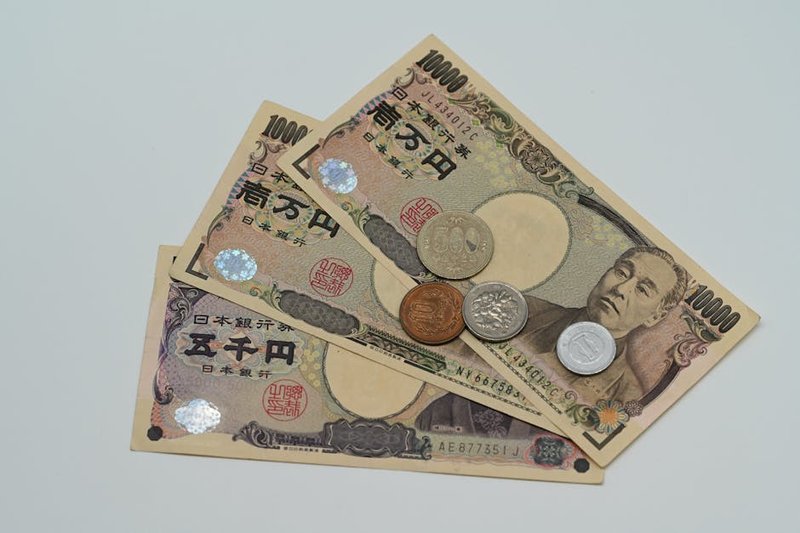
10. Money Handling — Use the Tray
Takehiko’s Importance: ★★★☆☆ | Difficulty: Easy | Consequence of Getting It Wrong: Slightly awkward
The rule: Place your payment — cash or card — on the small tray (cashier tray) provided at registers. Your change will be returned on the same tray.
Why it matters: Avoiding direct hand-to-hand money exchange maintains respectful distance and cleanliness. It also prevents counting errors.
The mistake tourists make: Handing money directly into the cashier’s hand and counting change in front of them (which implies you don’t trust them).
Local Tip: Most convenience stores now accept IC cards, credit cards, and QR payments. But carry ¥5,000-10,000 in cash at all times — smaller restaurants, street stalls, and shops in rural areas are often cash-only.
11. Volume & Noise — Read the Air
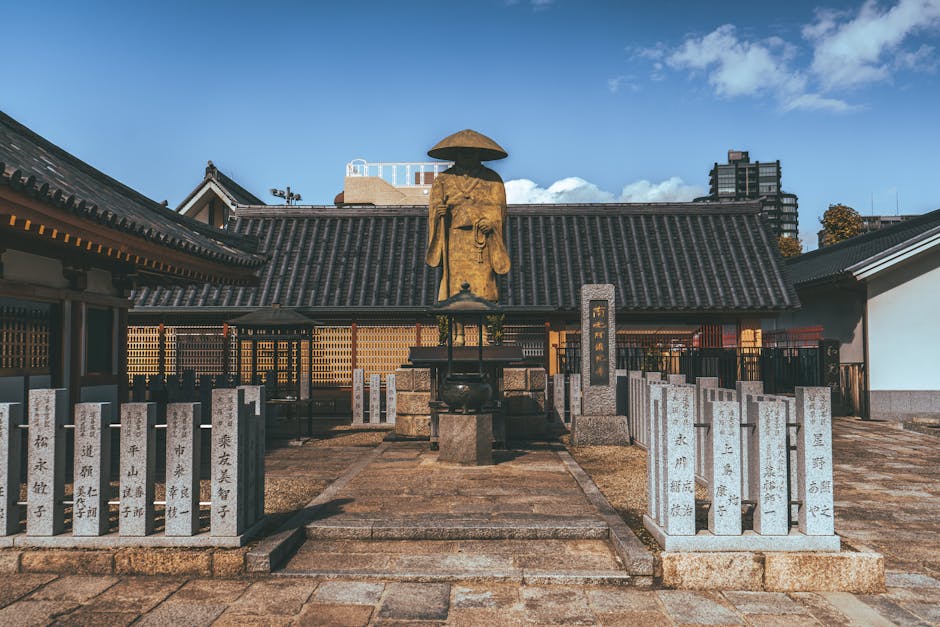
Photo by Sarmat Batagov on Pexels
Takehiko’s Importance: ★★★★☆ | Difficulty: Medium (it’s hard to calibrate) | Consequence of Getting It Wrong: Noticed and uncomfortable for locals
The rule: Keep your voice down in public — restaurants, trains, streets, and especially residential areas and sacred spaces. Avoid blowing your nose loudly in public (sniffing is preferred in Japan; step away to a restroom if you need to blow). Avoid wearing strong perfume or cologne on trains or at sushi restaurants.
Why it matters: The Japanese concept of “kuuki wo yomu” (reading the air) means sensing the mood and adjusting your behavior accordingly. Public spaces are shared, and noise intrudes on others’ peace. This is perhaps the deepest cultural value at play in Japanese etiquette tourists should be aware of.
The mistake tourists make: Having a normal-volume conversation in a group. What feels like a regular speaking voice to Western visitors can feel loud in a Japanese context. Watch the volume of people around you and match it.
Local Tip: Strong fragrances are strongly disliked in enclosed spaces. At high-end sushi counters, perfume interferes with the delicate aromas the chef has spent hours preparing. Skip the cologne on sushi night.
12. Photography Rules — Ask First
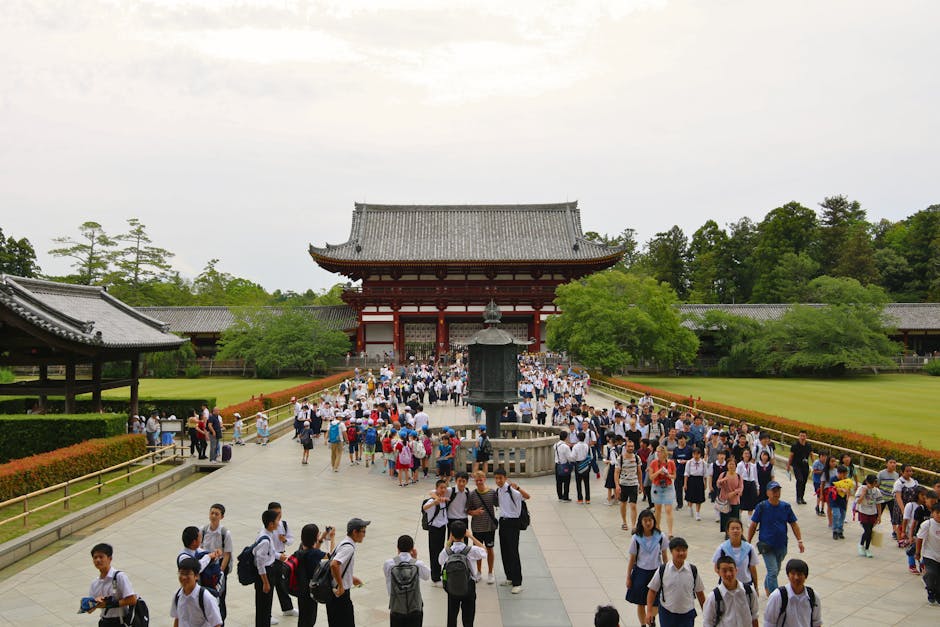
Photo by Bruna Santos on Pexels
Takehiko’s Importance: ★★★★☆ | Difficulty: Easy | Consequence of Getting It Wrong: Fines up to ¥10,000 in some areas
The rule: Do not photograph people — especially geisha and maiko — without permission. Observe all photography bans, particularly in Kyoto’s Gion district where street photography of geisha on private streets carries fines up to ¥10,000.
Why it matters: Geisha are working professionals heading to appointments, not tourist attractions. Stopping them for photos can make them late for engagements. Photography bans protect residents’ privacy and preserve the sanctity of sacred spaces.
The mistake tourists make: Chasing geisha for selfies (a problem serious enough that Gion’s district association installed signage with fines up to ¥10,000 on private streets), ignoring “no photography” signs at temples, and using flash at sacred sites.
Local Tip: If you want a photo with or of someone, ask “shashin ii desu ka?” (Is a photo OK?). Most people will happily agree. At temples, a “no camera” icon means what it says. Some allow photography of buildings but not of specific statues or altars.
13. Queuing & Public Order
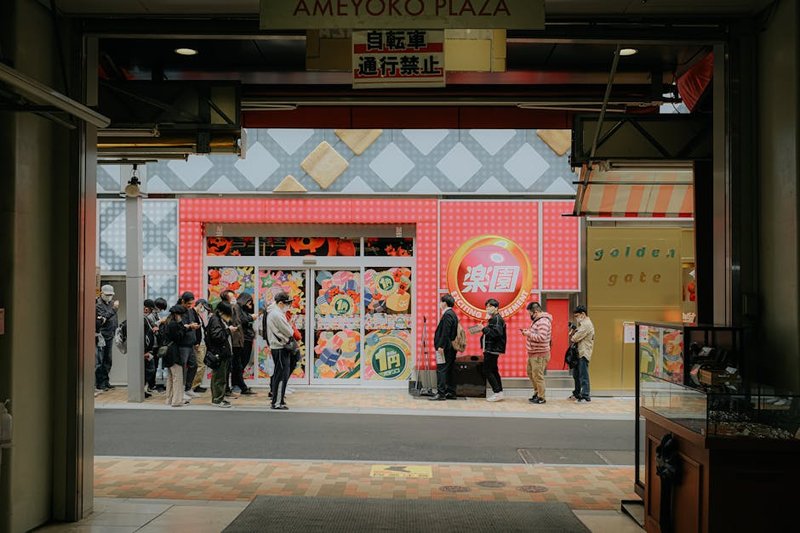
Photo by Ayyeee Ayyeee on Pexels
Takehiko’s Importance: ★★★★☆ | Difficulty: Easy | Consequence of Getting It Wrong: Very rude
The rule: Always line up in an orderly fashion. Never cut in line. In Japan, even waiting for an elevator or escalator follows marked queue patterns on the floor.
Why it matters: Orderliness reflects the fundamental Japanese value of consideration for others (omoiyari) and social harmony (wa). Cutting a line disrupts the entire system.
The mistake tourists make: Not seeing the queue. Japanese lines are so orderly and spaced out that tourists sometimes don’t realize a line exists and walk straight to the front. Look for marked lines on train platforms and follow the pattern others are forming.
Local Tip: At train stations, look for the numbered queue markers painted on the platform. Line up at the correct spot for your car number. People will be standing in perfectly straight lines — join the end.
14. Pointing & Gestures
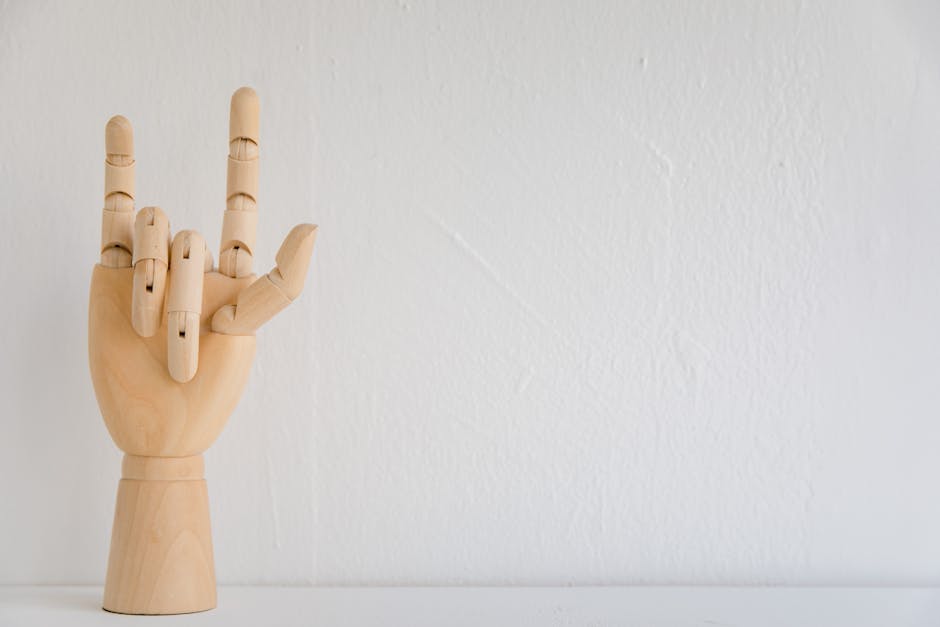
Photo by RDNE Stock project on Pexels
Takehiko’s Importance: ★★☆☆☆ | Difficulty: Easy | Consequence of Getting It Wrong: Mildly rude
The rule: Don’t point with your finger. Use an open hand (palm facing down) to indicate direction. The “beckoning” gesture in Japan uses the palm facing down with fingers waving toward you — the opposite of the Western “come here” motion.
Why it matters: Pointing is considered aggressive. The open-hand gesture reflects a softer, more respectful style of communication.
The mistake tourists make: Pointing at items in convenience stores or at people. Use your whole hand, palm down, to gesture toward something.
Local Tip: The “X” gesture (crossing your forearms in front of you) means “no” or “we don’t have that.” You’ll see it constantly in shops and restaurants.
15. Trash & Cleanliness — Carry It With You
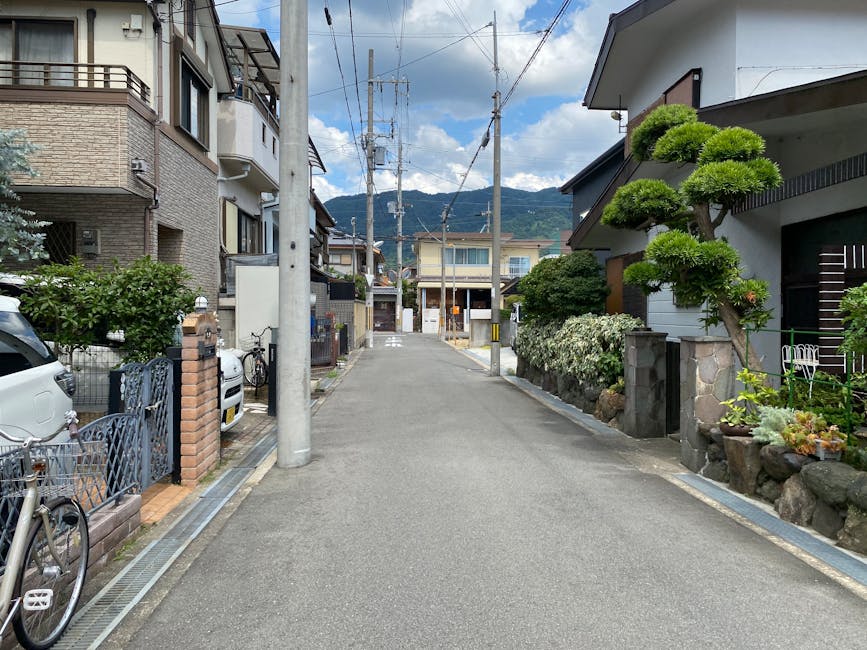
Photo by kazuyoshi sakamoto on Pexels
Takehiko’s Importance: ★★★★★ | Difficulty: Easy (once you’re prepared) | Consequence of Getting It Wrong: Contributes to overtourism friction
The rule: Carry your trash with you until you find a proper bin. Public trash cans are extremely rare. Dispose of waste properly and separate recyclables.
Why it matters: Japan’s famous cleanliness comes from personal responsibility. The scarcity of public bins dates partly from the 1995 Tokyo subway sarin attack (when bins were removed as a security measure) and reinforces the ethic that individuals are responsible for their own waste.
The mistake tourists make: Leaving trash on streets, in parks, at convenience stores, or at scenic overlooks. With 36+ million visitors annually, this has become a genuine friction point between tourists and local communities.
Local Tip: Convenience stores have bins you can use — it’s OK to throw away trash from items you bought there. Also, carry a small plastic bag in your daypack for trash. After a few days, it becomes second nature.
Regional Differences: Tokyo vs Osaka vs Kyoto
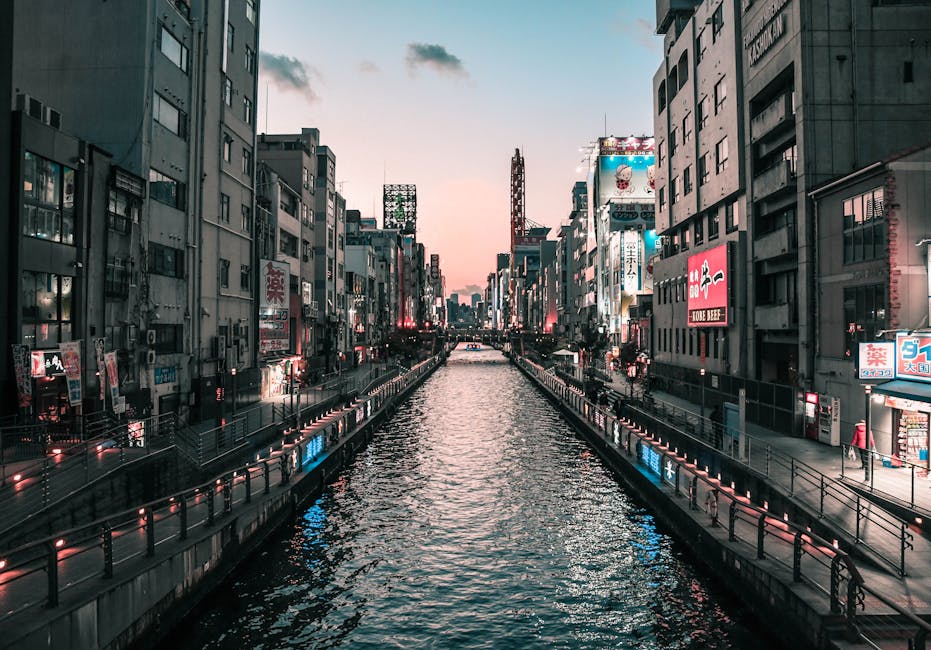
Photo by Satoshi Hirayama on Pexels
Japanese etiquette tourists often assume is uniform across the country actually varies quite a bit by region. Here’s what changes:
Tokyo / Kanto
- More formal, reserved, and rule-conscious
- People maintain distance from strangers; minimal small talk
- Escalators: stand left, walk right (gradually shifting to both-sides standing)
- Strict queue culture; quiet public behavior
- Greater card payment acceptance
Osaka / Kansai
- More outgoing, friendly, and talkative — strangers may start chatting with you
- Escalators: stand RIGHT, walk left (opposite of Tokyo!)
- More relaxed about certain rules; jaywalking is more common
- Street food culture (Dotonbori) means eating while walking is more accepted
- Strong merchant tradition; friendly haggling at some markets
- Humor is deeply valued — Osaka is Japan’s comedy capital
Kyoto
- Extremely polite and formal, even by Japanese standards
- Conservative and deeply traditional
- Stricter about tourist behavior due to overtourism (Gion photography bans, access restrictions)
- Geisha/maiko encounters require extra cultural sensitivity
- Accommodation taxes are being revised (effective March 2026) with a 5-tier structure: from ¥200 for rooms under ¥6,000/night up to ¥10,000 for rooms over ¥100,000/night
Rural Japan (Inaka)
- Stricter adherence to traditional customs
- Less English signage and fewer English speakers
- Cash is more important (fewer card-accepting shops)
- Warmer personal interactions once trust is established
- Local customs may vary significantly from major cities
Local Tip: When I travel from my home in Saitama to Osaka, even I have to adjust. The energy is different, the pace is different, and standing on the wrong side of the escalator gets you a look. Regional variation is real, even for Japanese people.
2026 Rule Changes That Affect Your Wallet
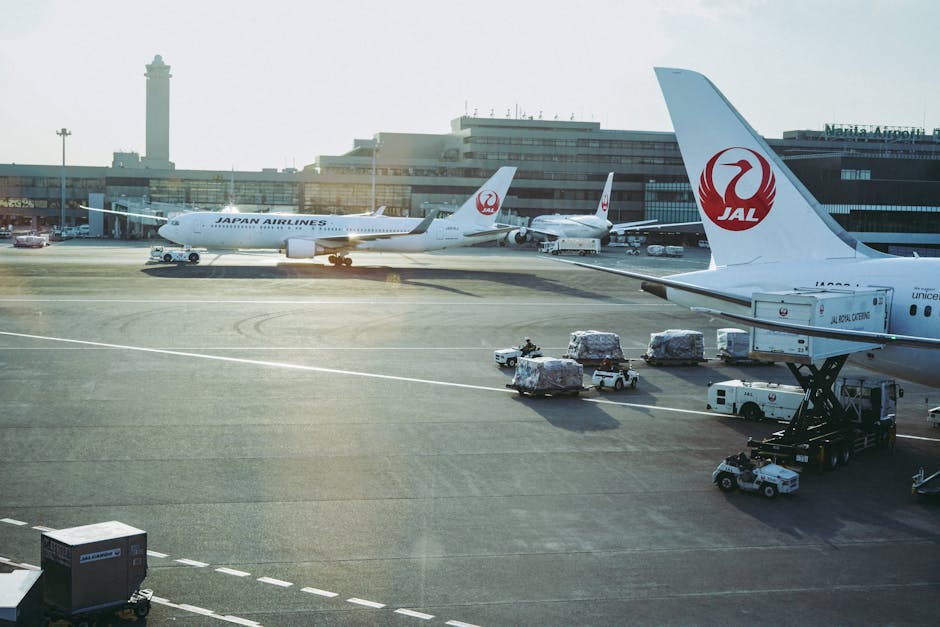
Photo by Afif Ramdhasuma on Pexels
Several major regulatory changes are rolling out in 2026. Understanding japanese etiquette tourists face today means knowing these rules too — they aren’t traditional manners, but ignoring them can cost you real money:
Tax-Free Shopping Overhaul (November 2026)
The old system where you got instant tax-free pricing at the register is ending. Starting November 2026, tourists pay the full price including 10% consumption tax, then claim refunds at airports when leaving Japan. This means more cash tied up during your trip and a refund process at departure.
International Tourist Tax Increase (July 2026)
The departure tax rises from ¥1,000 to ¥3,000 per person. It’s automatically added to your airline ticket, so no action needed — just know your ticket price includes it.
JESTA Electronic Travel Authorization
Similar to the US ESTA, visa-exempt travelers will eventually need pre-approval online. Full rollout is targeted for FY2028 (by March 2029), with a proposed entry fee of ¥2,000-3,000 (not yet finalized). This isn’t live yet, but it’s coming.
Health Insurance: Under Consideration
Japan is considering mandating private health insurance for all visitors to address unpaid medical bills. While not yet a legal requirement, starting April 2026, unpaid medical bills as low as ¥10,000 may result in denied re-entry to Japan. Travel insurance is strongly recommended regardless.
Mount Fuji Climbing Rules
All routes require a mandatory ¥4,000 fee. The Yoshida Trail (Yamanashi side) limits climbers to 4,000 per day and requires advance reservations — spots on peak dates sell out weeks in advance. Shizuoka’s three routes (Fujinomiya, Subashiri, Gotemba) have no daily cap but require online pre-registration. Gates close from 14:00 to 3:00 AM on all routes (mountain hut reservation holders are exempt from the gate closure).
Tiered Pricing at Tourist Sites
A residency-based pricing system is expanding at temples, museums, ski resorts, and national parks. Example: Himeji Castle charges ¥1,000 for Himeji residents vs. ¥2,500 for non-residents (effective March 2026). The pricing is based on residency, not nationality — Japanese visitors from other cities also pay the higher price. Those under 18 enter free.
Customer Harassment Law (October 2026)
Employers must establish harassment prevention policies. The old “customer is always right” mentality is formally shifting — abusive behavior toward staff will have consequences. Be respectful to service workers (which you should be doing anyway).
Mask Culture
Medical masks were common in Japan long before COVID. Wearing a mask when you have a cold or sniffle is considered polite and expected. You can buy disposable masks at any convenience store or drugstore for ¥300-500 per box.
How Much Do Etiquette Mistakes Actually Cost You?
Some etiquette mistakes just cause awkwardness. Others hit your wallet. Here’s the actual financial impact:
| Situation | What Happens | Cost |
|---|---|---|
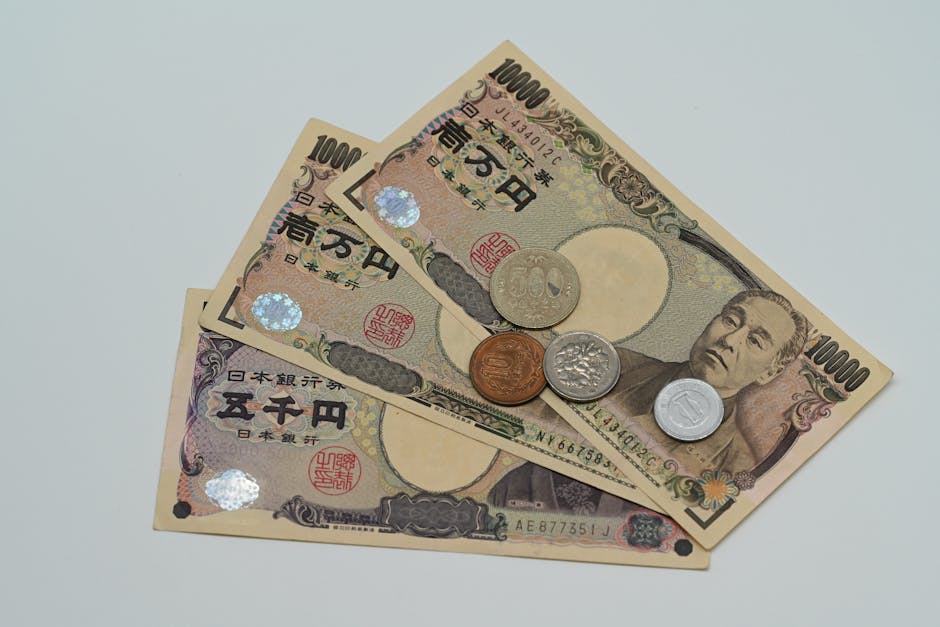
| Photographing geisha in Gion restricted areas | Fine imposed by local district association | Up to ¥10,000 (~$69) |
| Not having Mt. Fuji reservation | Turned away at the gate, wasted trip | ¥4,000 fee + transport costs (~¥5,000-10,000 round trip) |
| Departure tax increase (July 2026) | Added to airline ticket automatically | ¥3,000 (~$21) per person, up from ¥1,000 |
| Tax-free shopping changes (Nov 2026) | Must claim refund at airport instead of instant discount | 10% consumption tax tied up until departure |
| Unpaid medical bill, then return trip | Denied re-entry starting April 2026 | Trip cancellation costs + rebooking |
| Himeji Castle non-resident pricing | Higher entrance fee for visitors | ¥2,500 vs ¥1,000 for residents |
| Kyoto accommodation tax (Mar 2026) | Added to hotel bill per night | ¥200-10,000 depending on room rate |
| Leaving trash at scenic spots | No direct fine (in most areas), but contributes to sites implementing visitor caps | Potential future access restrictions |
Cost Comparison: Informed vs Uninformed Tourist
| Experience | Uninformed Tourist | Cost | Informed Tourist | Cost | You Save |
|---|---|---|---|---|---|
| Mt. Fuji climb | Shows up without reservation, turned away | Wasted day + transport | Books in advance, pays ¥4,000 fee | ¥4,000 | Time + ¥5,000+ in transport |
| Tax-free shopping (post Nov 2026) | Doesn’t claim refund at airport | 10% tax on purchases | Claims refund before boarding | ¥0 tax | 10% of all purchases |
| Onsen visit with visible tattoo | Turned away at door | Wasted trip + taxi | Researches tattoo-friendly onsen or books private bath | ~¥3,000-5,000 | Guaranteed experience |
| Tipping at restaurant | Staff chases you outside | Awkward encounter | Doesn’t tip, says “gochisousama deshita” | ¥0 | Dignity |
| Himeji Castle visit | Pays ¥2,500 non-resident fee | ¥2,500 | Still pays ¥2,500 (no way around it), but isn’t surprised | ¥2,500 | No sticker shock |
| IC card purchase | Wanders looking for cards at convenience stores (can only recharge there, not buy) | Lost time | Buys at station ticket machine or airport kiosk, or downloads Welcome Suica Mobile app | ~¥500 deposit | Time saved |
Bottom line: Knowing the 2026 rule changes alone can save you ¥5,000-15,000 (~$35-100) per person in avoided surprises, plus hours of wasted time.
Etiquette Rules You Don’t Need to Stress About
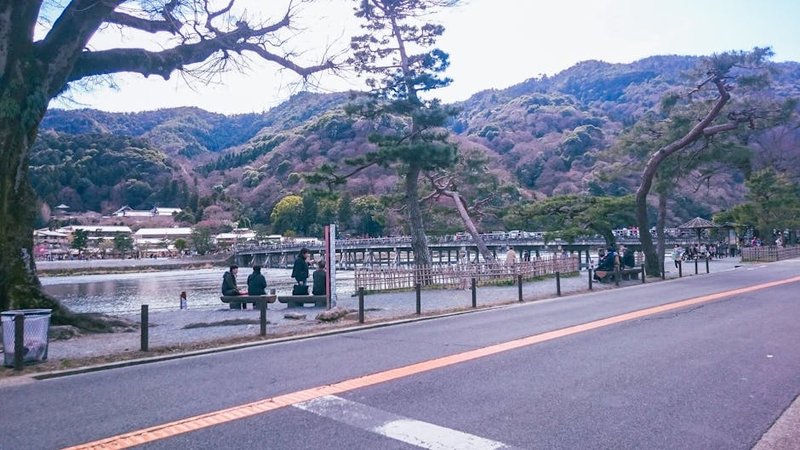
I’ve lived in Japan for 52 years. Here’s my honest take on japanese etiquette tourists worry about too much — and the truth about each one.
A note on honesty: I want you to feel confident, not anxious. Japan is the most welcoming country I know (and yes, I’m biased). These are the rules where trying matters more than perfecting.
Perfect Bowing — Stop Stressing
Why tourists overworry: Blog posts describe five different bow angles with precise degree measurements, making it seem like a diplomatic protocol.
The reality: A simple head nod is enough. No Japanese person has ever been offended by a tourist’s imperfect bow. The fact that you tried is what they notice and appreciate. I’ve never once seen a tourist embarrass themselves bowing. I have seen tourists embarrass themselves by overthinking it and freezing in place.
Chopstick Technique (Not Taboos)
Why tourists overworry: Fear of holding chopsticks “wrong” or dropping food.
The reality: Plenty of Japanese people hold chopsticks in unorthodox ways. My teenage nephew’s grip would make an etiquette teacher weep, and he eats just fine. The taboos (sticking chopsticks upright in rice, passing food chopstick-to-chopstick) are serious. But technique? Nobody cares. Ask for a fork if you’re struggling — zero judgment.
Speaking Japanese Perfectly
Why tourists overworry: “I’ll offend someone if my pronunciation is wrong.”
The reality: Fewer than 30% of Japanese people speak English at any level. Attempting any Japanese — even badly pronounced — earns genuine respect and usually a delighted smile. “Sumimasen” and “arigatou gozaimasu” alone will cover 80% of situations. Don’t let fear of mistakes stop you from trying.
Eating Everything on Your Plate
Why tourists overworry: “I heard it’s rude to leave food.”
The reality: It’s polite to finish your meal, but leaving a small amount is fine and understood. What’s actually rude is ordering way more than you can eat and wasting it — especially at all-you-can-eat (tabehoudai) restaurants where leftover charges apply. Order conservatively and add more if you’re still hungry.
Sitting “Correctly” at Traditional Restaurants
Why tourists overworry: Fear of sitting in seiza (kneeling position) for an entire meal.
The reality: Even most Japanese people can’t sit in seiza for long. At traditional restaurants, cross-legged sitting is completely fine, especially for foreigners. Many places have sunken floor seating (horigotatsu) where you can stretch your legs under the table. Nobody expects a tourist to kneel for two hours.
Essential Japanese Phrases
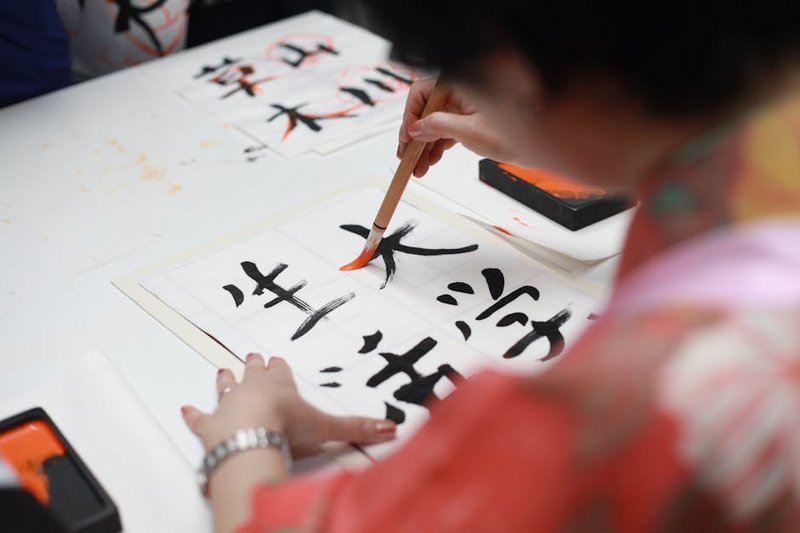
Photo by Engin Akyurt on Pexels
You don’t need to be fluent. These 15 phrases will get you through 95% of situations and earn genuine appreciation from locals:
| Japanese | Romaji | Meaning | When to Use |
|---|---|---|---|
| すみません | Sumimasen | Excuse me / I’m sorry | The #1 most useful phrase — getting attention, apologizing, expressing gratitude |
| ありがとうございます | Arigatou gozaimasu | Thank you very much | Formal thank you; use everywhere |
| いただきます | Itadakimasu | I humbly receive | Before every meal |
| ごちそうさまでした | Gochisousama deshita | Thank you for the meal | After every meal |
| おねがいします | Onegaishimasu | Please | When requesting something |
| こんにちは | Konnichiwa | Hello / Good afternoon | General greeting |
| おはようございます | Ohayou gozaimasu | Good morning | Morning greeting |
| 乾杯 | Kanpai! | Cheers! | Before drinking alcohol |
| はい / いいえ | Hai / Iie | Yes / No | Basic responses |
| トイレはどこですか | Toire wa doko desu ka? | Where is the toilet? | Essential practical phrase |
| いくらですか | Ikura desu ka? | How much is it? | Shopping |
| これください | Kore kudasai | This one, please | Ordering / purchasing |
| 大丈夫です | Daijoubu desu | I’m fine / No thank you | Declining politely |
| ごめんなさい | Gomen nasai | I’m sorry | Sincere apology |
| 写真いいですか | Shashin ii desu ka? | Is a photo OK? | Before taking someone’s photo |
Local Tip: “Sumimasen” is the Swiss Army knife of Japanese. It works as “excuse me,” “I’m sorry,” and even a casual “thank you.” When in doubt, say “sumimasen.” You’ll use it 50 times a day.
FAQ
Q: What are the basic etiquette rules in Japan?
The five most important: don’t stick chopsticks upright in rice (funeral association), take your shoes off indoors (look for the step-up genkan), be quiet on trains (no calls, low voices), don’t tip (it causes confusion), and carry your trash (public bins are rare). Beyond these, a genuine effort to be respectful covers everything else.
Q: Is it rude to tip in Japan?
Yes — or at least confusing. Service is included in the price, and tipping can imply the staff is underpaid. At restaurants, staff may chase you to return “forgotten” money. The exception is kokorozuke (an envelope with ¥1,000-3,000) for ryokan room attendants, which is appreciated but never expected.
Q: Why do Japanese people take off shoes indoors?
It comes from Shinto concepts of purity. The inside of a home or sacred space is considered clean; outdoor shoes bring contamination. The genkan (entrance step) is the physical boundary between clean and unclean. This has been practiced for centuries and is deeply automatic for Japanese people.
Q: Can you eat while walking in Japan?
Generally, it’s frowned upon. Buy food, eat it near the stall or on a bench, then continue walking. Exceptions include festivals, tourist markets, and some street food areas like Dotonbori in Osaka. The rule is gradually relaxing in tourist areas, but locals still notice.
Q: What are the chopstick rules in Japan?
The two critical rules: never stick chopsticks upright in rice (mimics funeral incense) and never pass food from chopstick to chopstick (mimics bone-picking ceremony after cremation). Beyond that: don’t point or wave with chopsticks, don’t rub disposable chopsticks together, and rest them on the hashioki when not eating.
Q: What should you not do at a Japanese temple?
Don’t clap at Buddhist temples (clapping is for Shinto shrines only). Don’t walk down the center of shrine paths (reserved for the deity). Don’t take photos where signs prohibit it. Don’t touch sacred objects. Don’t talk loudly. Dress modestly — cover shoulders and knees.
Q: What is onsen etiquette?
Wash thoroughly at the shower stations before entering the bath. Enter naked — no swimsuits or towels in the water. Keep your small towel on your head, not in the bath. Keep noise down. Most traditional onsen prohibit tattoos, though foreigner-friendly and private options are increasing. The pre-wash is the most important rule — it keeps the communal water clean for everyone.
Q: Is it rude to blow your nose in Japan?
Blowing your nose loudly in public is considered rude — sniffing is preferred. If you need to blow your nose, step away to a restroom or quiet corner. Carrying tissues (free packs are often handed out on streets) is standard practice.
Q: What are the new Japan travel rules for 2026?
Key changes: departure tax rises to ¥3,000 (July 2026), tax-free shopping shifts to airport refunds instead of instant discounts (November 2026), Mt. Fuji requires advance reservations and a ¥4,000 fee, tiered pricing expands at tourist sites (Himeji Castle: ¥2,500 for non-residents), and unpaid medical bills over ¥10,000 may result in denied re-entry (April 2026). A JESTA electronic travel authorization system is expected by FY2028.
Q: Do I need to learn Japanese before visiting?
No, but learning basic phrases goes a long way — and it’s one of the best parts of japanese etiquette tourists can practice before arriving. “Sumimasen” (excuse me), “arigatou gozaimasu” (thank you), “kore kudasai” (this one, please), and “itadakimasu” (before meals) will cover most situations. Google Translate’s camera mode handles menus and signs. Fewer than 30% of Japanese people speak English, so translation apps are essential outside major tourist hubs.
Plan Your Trip
Ready to experience Japan with confidence? Here are the best ways to book:
- Tours & Activities: Browse top-rated Japan tours on Klook | GetYourGuide Japan | Viator Japan
- Accommodation: Find hotels on Booking.com
- Transport: Japan Rail Pass — Read our complete JR Pass guide
- WiFi/SIM: Best Japan eSIM options
Related Guides
Get Local Tips Delivered: Sign up for our free newsletter with weekly insider travel tips from Japan residents. Subscribe here
About the Author
Takehiko was born and raised in Japan and has lived in the Saitama/Tokyo area his entire life. With 52 years of local experience, he brings the cultural context and insider perspective that only a native Japanese person can offer — not just the rules, but the reasons behind them.
Have questions about Japanese etiquette? Drop a comment below — as someone who’s lived here my whole life, I’m happy to help you navigate Japanese culture with confidence.
This article contains affiliate links. When you book through these links, we earn a small commission at no extra cost to you. This helps us keep creating free, honest travel guides. Read our full disclosure.