Last Updated: February 17, 2026 | Written by Takehiko, born and raised in Japan
How We Write: Every recommendation in this guide is based on personal visits by a Japan resident. We re-visit spots and update this article every 90 days. All prices and hours were last verified on February 17, 2026.
Quick Summary: This is your ultimate local’s guide to Tokyo with 30+ must-visit spots, insider tips you won’t find in other guides, and a complete breakdown of brand-new 2026 attractions like PokéPark Kanto and Tokyo Dream Park. Whether you have one day or one week, we’ll help you experience Tokyo the way locals actually do — and save up to $50 by knowing which free experiences rival the paid ones.
Ready to start booking? Browse top-rated Tokyo experiences on Klook | GetYourGuide Tokyo
In This Guide:
– Must-See Highlights
– Food & Dining
– Cultural Experiences
– Hidden Gems Only Locals Know
– New in 2026
– Best Experiences to Book
– How Much Does Tokyo Cost?
– Suggested Itineraries
– Seasonal Highlights
– Practical Tips & Etiquette
– FAQ
– Plan Your Trip
Most “Things to Do in Tokyo” guides are written by visitors who spent a week here and hit the Instagram spots. This one’s different — I was born and raised in Japan — 52 years of living, eating, and exploring this country — and I’m sharing the places, tips, and cultural context that only a native Japanese can tell you.
Tokyo is a city of contrasts: a 1,400-year-old temple in the morning, a robot-themed restaurant in the evening. Peaceful nature 20 minutes from the world’s busiest intersection. World-class food for under $10 if you know where to look.
In 2026, a wave of new attractions — PokePark Kanto, Tokyo Dream Park, and more — means there’s plenty of reason to visit even if you’ve been before. Let’s dive in.
Must-See Highlights
These are the places that make Tokyo Tokyo. Even as a local, I never get tired of visiting these spots — especially when I’m showing friends around.
Shibuya Scramble Crossing
Photo: 緋真煉 | PAKUTASO License | Source
Address: 2-chome Dogenzaka, Shibuya City, Tokyo (View on Google Maps)
Hours: 24/7 (best experienced during peak hours)
Admission: Free
Getting There: Direct access from Shibuya Station (JR Yamanote Line, Tokyo Metro Ginza/Hanzomon/Fukutoshin Lines), Hachiko Exit
Best Time to Visit: Weekday evenings around 7-8 PM for the full rush without weekend tourist crowds
Time Needed: 15-30 minutes
Up to 3,000 people cross from all directions every signal change — roughly 300,000 per day at peak. The crossing itself takes 45 seconds, so the real magic is watching from above.
Best viewing spots:
– Shibuya Sky (see below) — the ultimate panoramic view
– MAGNET by Shibuya109 Rooftop — ¥1,800 (~$12 USD, includes one drink) for a direct overhead view (as of February 2026)
– Shibuya Mark City connecting bridge — Free and overlooked. Find the glass corridor on the 2nd floor heading toward Mark City
Local Tip: The Mark City bridge is my favorite — free, rarely crowded, and captures the full chaos. Most tourists don’t know it exists.
Tourist Mistake: Don’t stop in the middle of the crossing to take photos or selfies. You’ll block hundreds of people and it’s genuinely dangerous. Cross normally, enjoy the experience, then watch from above.
What’s Nearby: Hachiko Statue (1 min), Shibuya Sky (3 min walk), Center-Gai street (2 min walk), Shibuya 109 (1 min)
Shibuya Sky
Photo: 緋真煉 | PAKUTASO License | Source
Address: Shibuya Scramble Square, 2-24-12 Shibuya, Shibuya-ku, Tokyo (View on Google Maps)
Hours: 10:00 – 22:30 (last entry 21:20) (as of February 2026)
Admission: ¥2,200-2,700 (~$15-18 USD) for adults via web booking; prices vary by date and time slot (as of February 2026)
Getting There: Directly connected to Shibuya Station, East Exit. The entrance is inside Shibuya Scramble Square building
Best Time to Visit: 30-40 minutes before sunset for the golden hour transition to city lights
Time Needed: 1-1.5 hours
At 229 meters, Shibuya Sky is Tokyo’s most spectacular observation deck. The open-air rooftop on the 46th floor offers unobstructed 360-degree views — on clear days, Mount Fuji is perfectly framed against the western skyline. The experience includes an escalator through a light tunnel, then opens to the Sky Stage with its reflective floor, hammock areas, and edge-of-the-world feeling.
Local Tip: Sunset slots sell out 2-3 weeks ahead. Book online early (web pricing is cheaper). Nighttime is equally stunning if sunset is unavailable.
Tourist Mistake: Going on a cloudy day. Clear = 10/10, foggy = 4/10. Check the webcam on their website for real-time conditions and be flexible with dates.
What’s Nearby: Shibuya Scramble Crossing (ground floor), Miyashita Park (5 min walk), Shibuya Center-Gai (3 min walk)
Book in Advance: Shibuya Sky Admission Ticket — Skip the ticket counter and go straight to the elevator.
Miyashita Park (RAYARD MIYASHITA PARK)
Photo: Yuta Sugaya | PAKUTASO License | Source
Address: 6-20-10 Jingumae, Shibuya-ku, Tokyo (View on Google Maps)
Hours: Shops 11:00-21:00, Restaurants 11:00-23:00, Rooftop Park 8:00-23:00
Admission: Free (park area)
Getting There: 3-minute walk from Shibuya Station (Hachiko Exit) or directly connected via JR Shibuya Station B6 Exit
Best Time to Visit: Late afternoon for shopping, then sunset on the rooftop
Time Needed: 1-2 hours
A park, shopping complex, and hotel built on top of a railway line. The rooftop has a skate park, bouldering wall, and green lawns. Inside, the Studio Ghibli shop “GBL” sells exclusive merchandise you can’t buy online.
Local Tip: The GBL (Ghibli) shop has exclusive Tokyo-only items that sell out quickly. Go early in the day for the best selection. The rooftop park is also one of the most peaceful spots in Shibuya — a perfect escape from the crowds below.
Tourist Mistake: Skipping the rooftop entirely. Many visitors only explore the shops on the lower floors and miss the park on top, which is the whole point of the building.
What’s Nearby: Shibuya Crossing (3 min walk), Cat Street toward Harajuku (5 min walk), Shibuya Sky (5 min walk)
Shinjuku Gyoen National Garden
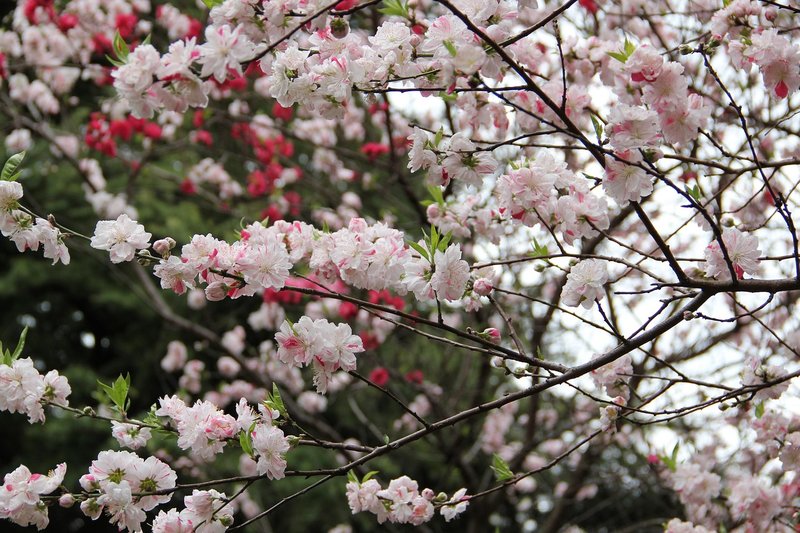
Photo: 緋真煉 | PAKUTASO License | Source
Address: 11 Naitomachi, Shinjuku-ku, Tokyo (View on Google Maps)
Hours: 9:00-16:30 (last entry 16:00), closed Mondays (or the following day if Monday is a holiday)
Admission: ¥500 (~$3.50 USD) for adults (as of February 2026)
Getting There: 5-minute walk from Shinjuku-Gyoenmae Station (Tokyo Metro Marunouchi Line), Exit 1
Best Time to Visit: Mid-late March for cherry blossoms, November for autumn foliage, or any clear weekday morning for tranquility
Time Needed: 1.5-3 hours
58.3 hectares of perfectly maintained gardens blending Japanese, English, and French landscape styles. Over 1,000 cherry trees of 65 varieties make it one of Japan’s best blossom spots — different varieties bloom at different times, extending the season. The Japanese garden’s tea house over a tranquil pond is worth the visit alone, and in autumn, golden ginkgo and crimson maple paint the French Formal Garden.
Local Tip: During peak cherry blossom season, certain weekends require advance ticket reservations. The garden bans alcohol, keeping the atmosphere peaceful — families and couples prefer it for a refined hanami experience.
Tourist Mistake: Only visiting the Japanese garden. The English Landscape lawn is perfect for picnics, and the greenhouse (tropical plants) is practically empty even on busy days.
What’s Nearby: Shinjuku shopping area (10 min walk), Golden Gai (15 min walk), Hanazono Shrine (12 min walk)
Tokyo Metropolitan Government Building (Tocho) Observatory
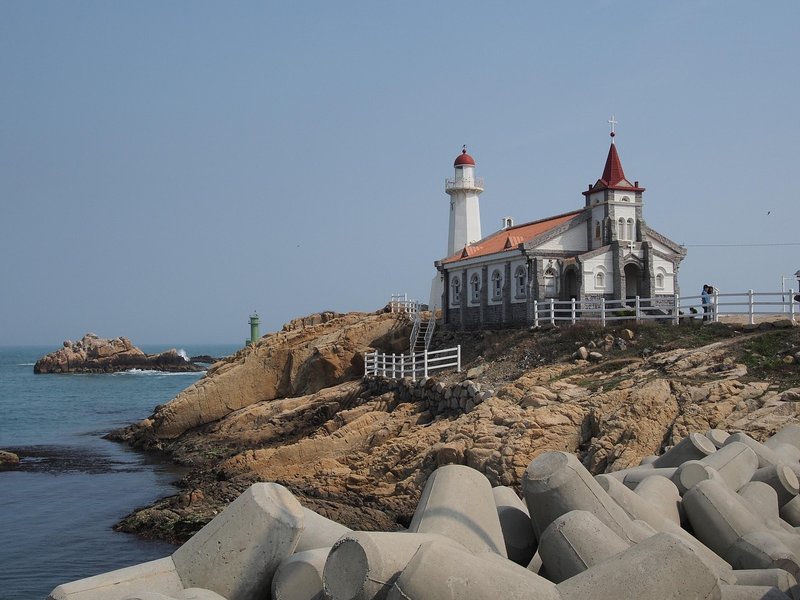
Photo: janggagye | Pixabay License | Source
Address: 2-8-1 Nishi-Shinjuku, Shinjuku-ku, Tokyo (View on Google Maps)
Hours: South Observatory 9:30-22:00 (closed 1st and 3rd Tuesdays); North Observatory 9:30-17:30 (closed 2nd and 4th Mondays) (as of February 2026)
Admission: Free
Getting There: 5-minute walk from Tochomae Station (Toei Oedo Line), or 10 minutes from Shinjuku Station West Exit
Best Time to Visit: Evening at the South Observatory for nighttime city views
Time Needed: 30-60 minutes
The best free view in Tokyo, yet most tourists pay ¥2,000+ at Skytree or Tokyo Tower instead. The 45th-floor twin observatories offer sweeping views, and the South Observatory stays open until 10 PM with a small cafe.
Local Tip: Far less crowded than Shibuya Sky, and the night view is honestly just as good. Come 30 minutes before sunset. Budget travelers: this is your #1 viewpoint.
Tourist Mistake: Going to the North Observatory instead of the South — it closes at 5:30 PM, so you miss sunset and night views.
What’s Nearby: Omoide Yokocho (10 min walk), Shinjuku Station (10 min walk), Shinjuku Central Park (adjacent)
Senso-ji Temple & Nakamise-dori
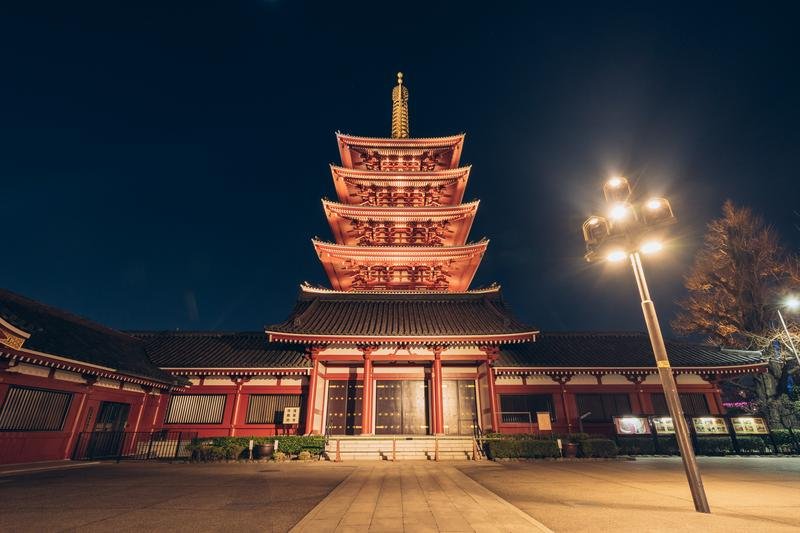
Photo: タカヒロ | PAKUTASO License | Source
Address: 2-3-1 Asakusa, Taito-ku, Tokyo (View on Google Maps)
Hours: Temple grounds open 24/7; Main hall 6:00-17:00 (6:30 in Oct-Mar); Nakamise-dori shops typically 9:00-19:00
Admission: Free
Getting There: 5-minute walk from Asakusa Station (Tokyo Metro Ginza Line or Toei Asakusa Line), Exit 1
Best Time to Visit: Early morning (before 8 AM) or after 7 PM for a magical, crowd-free experience
Time Needed: 1-2 hours
Tokyo’s oldest temple (founded 645 AD), the massive Kaminarimon gate, and the 250-meter Nakamise-dori shopping street are the heart of traditional Tokyo. But here’s what most guides skip: Senso-ji at night is arguably more beautiful — the temple and pagoda are illuminated, stalls are closed, and you’ll have the grounds nearly to yourself.
Local Tip: Visit the temple at night. Seriously. The illuminated Kaminarimon and pagoda against the dark sky are stunning, and the peaceful atmosphere is the complete opposite of the daytime crowds. The main hall closes, but the temple grounds are open 24/7.
Tourist Mistake: Visiting only on weekends between 10 AM and 4 PM, when it’s packed shoulder-to-shoulder. Tuesdays tend to be the quietest weekday because some Nakamise shops close that day, but the temple itself is open and you can enjoy it with far fewer people.
What’s Nearby: Hoppy Street (3 min walk), Hanayashiki Amusement Park (2 min walk), Sumida River cruise pier (5 min walk), Kappabashi Kitchen Street (10 min walk)
Food & Dining
Tokyo has more Michelin stars than any other city in the world — but honestly, some of the best food here costs less than $10. The secret is knowing where locals eat.
Tsukiji Outer Market
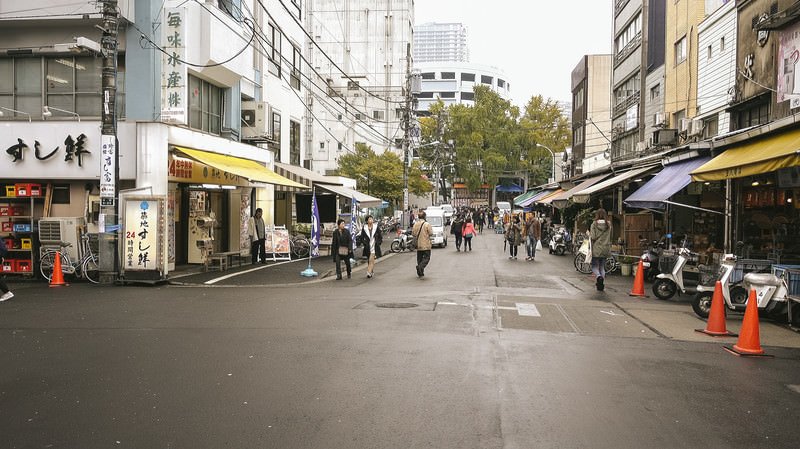
Photo: すしぱく | PAKUTASO License | Source
Address: 4-chome Tsukiji, Chuo-ku, Tokyo (View on Google Maps)
Hours: Most stalls open 7:00-14:00 (varies by shop; many close by 2 PM)
Admission: Free to enter
Getting There: 1-minute walk from Tsukiji Station (Tokyo Metro Hibiya Line), Exit 1; or 5-minute walk from Tsukiji-Shijo Station (Toei Oedo Line)
Best Time to Visit: Weekday mornings around 9:00-10:00 AM, or after 1:00 PM for shorter lines and occasional discounts
Time Needed: 1.5-2.5 hours
The inner market moved to Toyosu in 2018, but Tsukiji’s outer market remains the beating heart of Tokyo’s food scene. Over 400 shops sell the freshest sashimi, tamagoyaki, grilled scallops, uni, and wagyu skewers. Local chefs still shop here daily.
Must-try: Tamagoyaki (¥100-300), fresh sashimi bowl (¥1,500-3,000), grilled seafood skewers (¥500-1,000), wagyu on a stick (¥1,000-2,000), melon pan with ice cream (¥500).
Local Tip: After 1 PM, stalls discount fresh items before closing — same quality, lower prices, no waiting. Bring cash; several stalls don’t take cards.
Tourist Mistake: Going only to the famous stalls with the longest lines. The best food is often at smaller shops one or two streets back. Wander the alleys.
What’s Nearby: Tsukiji Hongwan-ji Temple (3 min walk), Ginza shopping district (10 min walk), Hama-rikyu Gardens (10 min walk)
Book in Advance: Tsukiji Market Food Tour with Local Guide — A guided tour ensures you find the best stalls and understand what you’re eating. Highly recommended for first-timers.
Omoide Yokocho (Memory Lane / “Piss Alley”)
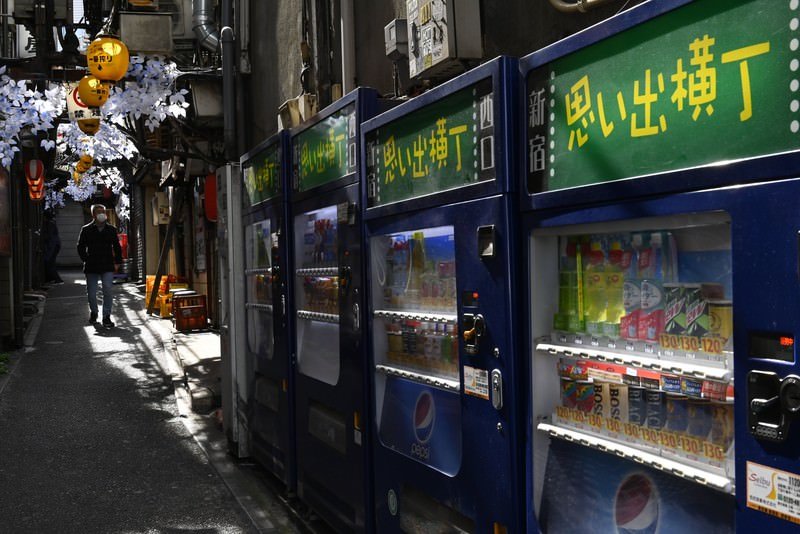
Photo: Redsugar | PAKUTASO License | Source
Address: 1-chome Nishi-Shinjuku, Shinjuku-ku, Tokyo (View on Google Maps)
Hours: Most stalls open from 17:00 to midnight (some lunch spots open from 12:00)
Admission: Free to walk through
Getting There: 1-minute walk from Shinjuku Station West Exit
Best Time to Visit: Weekday evenings around 6:00-8:00 PM
Time Needed: 1-2 hours
About 80 tiny stalls — most seating 6-10 people — serve yakitori, ramen, and gyoza under charcoal smoke and warm lantern light, right next to Shinjuku Station. Despite the nickname “Piss Alley” (a relic of post-war days), it’s one of Tokyo’s most atmospheric dining experiences.
Local Tip: Go deeper into the alleys — stalls near the entrance are pricier and more tourist-heavy. Cash only at many stalls; budget ¥2,000-3,000 per person.
Tourist Mistake: Being afraid to sit down without Japanese. Most stalls have picture or English menus now. Point, smile, say “kore kudasai.” You’ll be fine.
What’s Nearby: Shinjuku Station (1 min), Kabukicho (5 min walk), Golden Gai (5 min walk), Tokyo Metropolitan Government Building (10 min walk)
Golden Gai
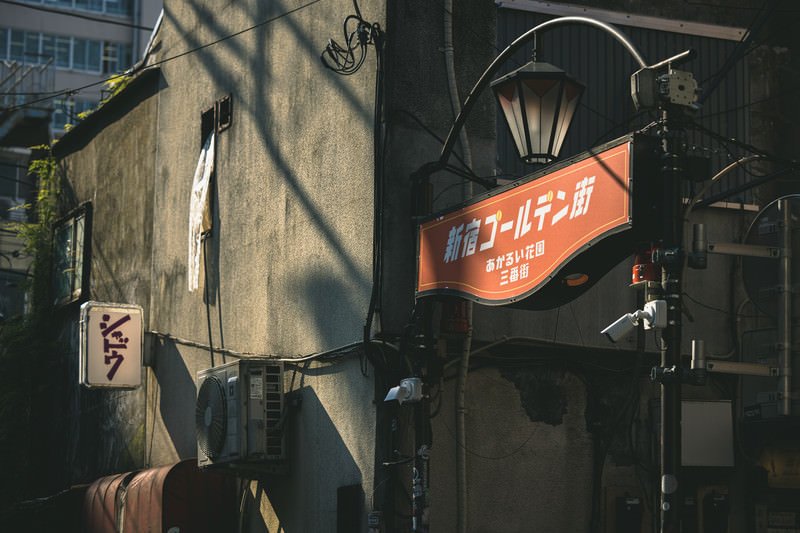
Photo: すしぱく | PAKUTASO License | Source
Address: 1-chome Kabukicho, Shinjuku-ku, Tokyo (View on Google Maps)
Hours: Most bars open from 20:00 to midnight or later; some open from 18:00
Admission: Free to walk through; individual bars typically charge ¥500-1,000 cover charge per person
Getting There: 5-minute walk from Shinjuku Station East Exit, or 3 minutes from Shinjuku-Sanchome Station
Best Time to Visit: Weekday evenings (Thu-Fri for the best energy without weekend crush)
Time Needed: 1-3 hours (depending on how many bars you try)
A labyrinth of roughly 200-280 tiny bars in six narrow alleyways, each seating 6-10 people. Every bar has its own personality — punk rock, jazz, manga, whisky. Saved from demolition multiple times by local resistance, it’s a living monument to Tokyo’s counter-culture and the city’s most unique nightlife experience.
Local Tip: Check the door for “Cover Charge” signs — ¥500-1,000 on top of drinks is normal, not a scam. Start with outer-row bars (more tourist-friendly), then venture deeper. Two bars per night is plenty.
Tourist Mistake: Taking photos inside without asking (“Shashin OK?”). Also, don’t block the narrow alleys by standing around — step inside or move on.
What’s Nearby: Omoide Yokocho (5 min walk), Kabukicho (adjacent), Hanazono Shrine (2 min walk), Robot Restaurant area (3 min walk)
Hoppy Street (Hoppy-dori), Asakusa
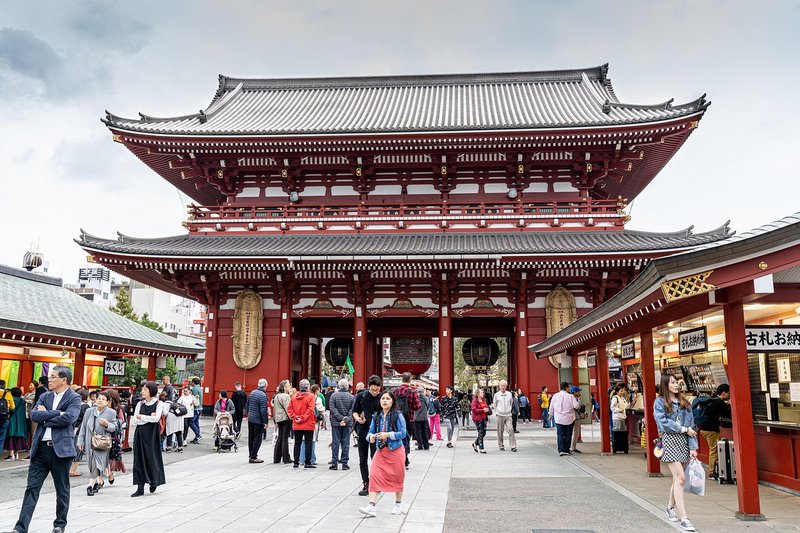
Photo: bewkaman | Pixabay License | Source
Address: 2-chome Asakusa, Taito-ku, Tokyo (View on Google Maps)
Hours: Most stalls open 10:00-22:00
Admission: Free to walk through
Getting There: 3-minute walk from Asakusa Station or 3 minutes from Senso-ji
Best Time to Visit: Afternoon (from 2:00 PM) for the authentic daytime drinking (昼飲み) experience
Time Needed: 1-2 hours
While tourists flock to Senso-ji, locals head here for daytime drinking (“hiru-nomi”). This lively alley of open-air izakayas serves Hoppy (beer-flavored drink mixed with shochu), cheap grilled meats, and pub food. Loud, cheerful, and unpretentious — the soul of Asakusa’s working-class roots.
Local Tip: Order a “Hoppy set” (Hoppy bottle + frozen shochu glass). When the shochu runs out, order “naka” (refill). Most meals under ¥1,000.
Tourist Mistake: Only visiting at night. Hoppy Street is best experienced in the afternoon when the sun is shining and the energy is at its peak. The daytime drinking culture is the whole point.
What’s Nearby: Senso-ji Temple (3 min walk), Hanayashiki (2 min walk), Sumida River (5 min walk)
Depachika (Department Store Basement Food Halls)
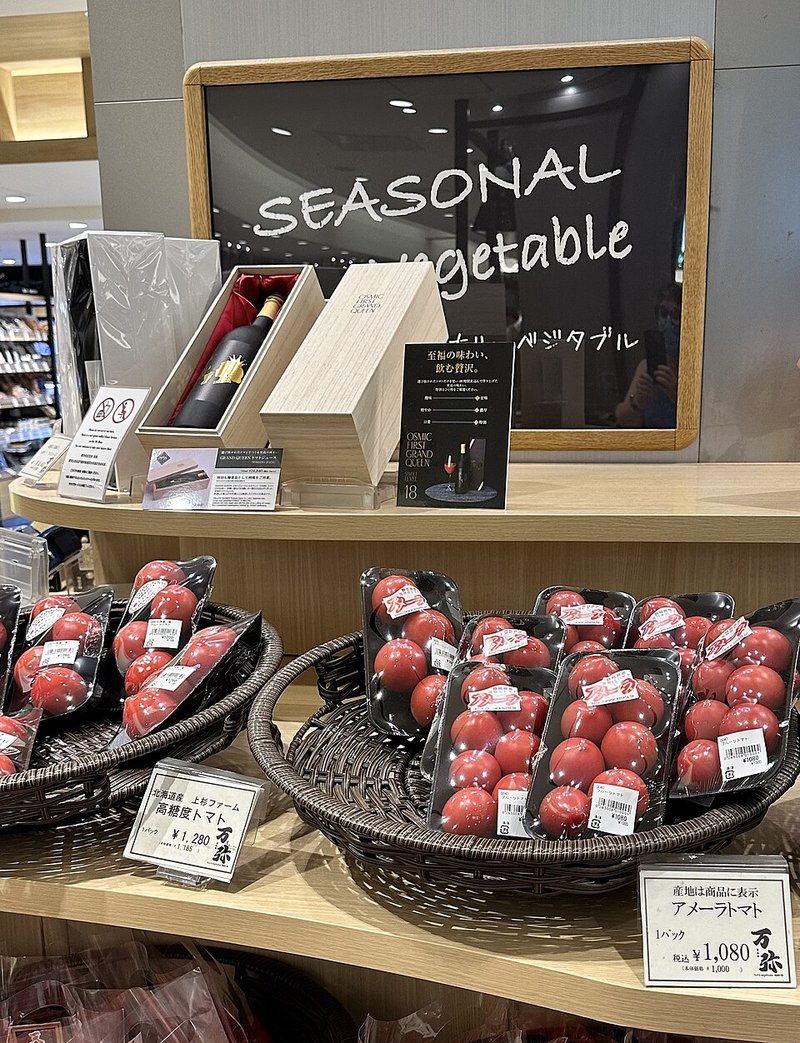
Photo: Cambodia4kids.org Beth Kanter from California, USA | CC BY 2.0 | Source
.jpg)
Address: Found in every major department store (Isetan Shinjuku, Mitsukoshi Ginza, Takashimaya Nihonbashi, Daimaru Tokyo Station, etc.)
Hours: Typically 10:00-20:00 (varies by store)
Admission: Free to browse
Best Time to Visit: 30-60 minutes before closing for discount stickers on bento, sushi, and prepared foods
Time Needed: 30-60 minutes
Japan’s best-kept budget secret: department store basement food halls (“depachika”) sell wagyu bento for ¥1,200, handmade sushi platters for ¥1,500, and pastries from top patissiers. Top picks: Isetan Shinjuku B1 (the gold standard), Daimaru Tokyo Station B1 (grab-and-go before a train), Mitsukoshi Ginza B2-B3 (Tokyo’s largest).
Local Tip: 30-60 minutes before closing, discount stickers (20-50% off) appear on bento and sushi. Local office workers swoop in for gourmet dinner at konbini prices.
Tourist Mistake: Assuming everything is expensive. Many items are affordable, and free samples are generously offered. Don’t be shy — point and ask “Shishoku dekimasu ka?” (Can I sample?).
Cultural Experiences
Tokyo’s spiritual and cultural side is just as remarkable as its modern face. Understanding the etiquette adds depth to the experience.
Meiji Jingu Shrine
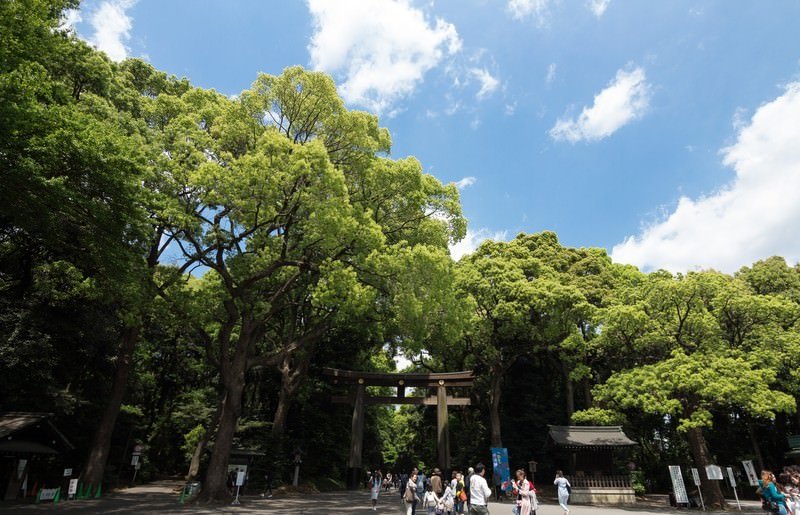
Photo: Mustang Joe | CC0 | Source
.jpg)
Address: 1-1 Yoyogikamizonocho, Shibuya-ku, Tokyo (View on Google Maps)
Hours: Sunrise to sunset (approximately 6:00-17:00 in winter, 5:00-18:00 in summer)
Admission: Free (Meiji Jingu Museum: ¥1,000)
Getting There: 1-minute walk from Harajuku Station (JR Yamanote Line) or Meiji-Jingumae Station (Tokyo Metro Chiyoda/Fukutoshin Lines), Exit 2
Best Time to Visit: Weekday mornings before 9:00 AM for peaceful solitude; New Year’s (Jan 1-3) for Japan’s busiest hatsumode experience
Time Needed: 1-1.5 hours
Walking through the torii gate into Meiji Jingu’s 170-acre forest feels like leaving Tokyo entirely. Dedicated to Emperor Meiji and Empress Shoken, the shrine is surrounded by 120,000 trees donated from across Japan in 1920. The forest was designed to be self-sustaining and is now a genuine old-growth woodland in the middle of the city.
Shrine visit protocol:
1. Bow once at the torii gate before entering
2. Walk along the sides of the path (the center is for the deity)
3. At the water basin (temizu): purify left hand, then right, then rinse mouth from your palm
4. At the main shrine: toss a coin, bow twice, clap twice, make your wish (state your name and address first), bow once more
Local Tip: If you see a Shinto wedding procession (common on weekends), watch from a respectful distance — it’s beautiful. Don’t miss the sake barrel wall near the entrance, a gift from breweries across Japan.
Tourist Mistake: Skipping the inner garden (Meiji Jingu Gyoen, ¥500) with its spectacular iris field (June) and serene well. Most tourists walk right past.
What’s Nearby: Takeshita Street, Harajuku (5 min walk), Omotesando (10 min walk), Yoyogi Park (adjacent)
Shrine and Temple Etiquette: What Every Visitor Should Know
Key difference: Shrines (Shinto, torii gates) — clap when praying. Temples (Buddhist, sanmon gate) — press palms together silently. Universal rules: dress respectfully, speak quietly, ask before photographing worshippers, and waft incense smoke toward any ailing body part for good luck.
Kappabashi Kitchen Street (Kappabashi Dougu-gai)
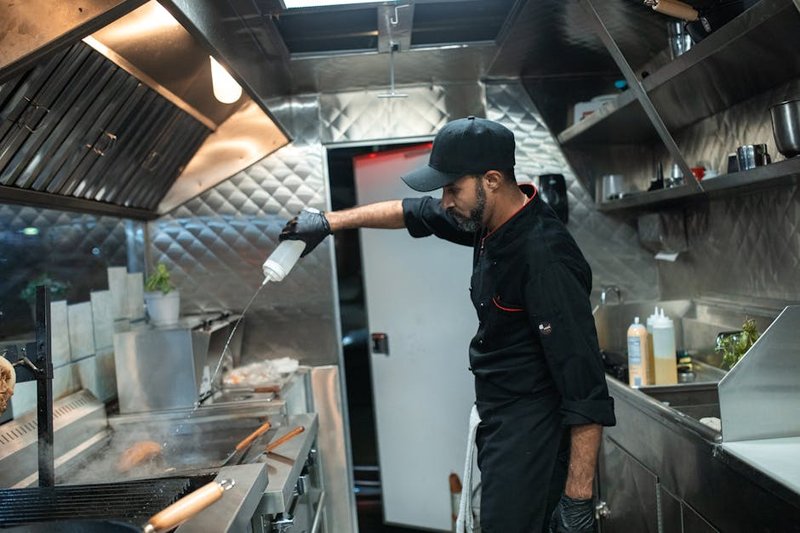
Photo: RDNE Stock project | Pexels License | Source
Address: 3-chome Matsugaya, Taito-ku, Tokyo (View on Google Maps)
Hours: Most shops 10:00-17:00, closed Sundays
Admission: Free to browse
Getting There: 5-minute walk from Tawaramachi Station (Tokyo Metro Ginza Line), Exit 3
Best Time to Visit: Weekday mornings
Time Needed: 1-2 hours
170+ shops supplying Tokyo’s restaurants since 1912. Professional-grade Japanese knives, ceramics, lacquerware, and those amazingly realistic plastic food samples — all available to buy and take home.
Local Tip: Japanese kitchen knives are the best Tokyo souvenir. ¥5,000-15,000 for quality that costs 3-4x more abroad. Shops can engrave your name. Over ¥5,000? Bring your passport for tax-free.
Tourist Mistake: Visiting on Sunday (most shops closed) or only looking at food samples and missing the incredible knife shops and ceramics.
What’s Nearby: Senso-ji Temple (8 min walk), Ueno Park (15 min walk), Akihabara (15 min walk)
Book in Advance: Food Sample Making Workshop in Kappabashi — Make your own realistic plastic food replica (tempura, lettuce, etc.) to take home. It’s surprisingly fun and makes a unique souvenir (~¥3,000-5,000, prices may vary).
Hie Shrine (Hie Jinja)
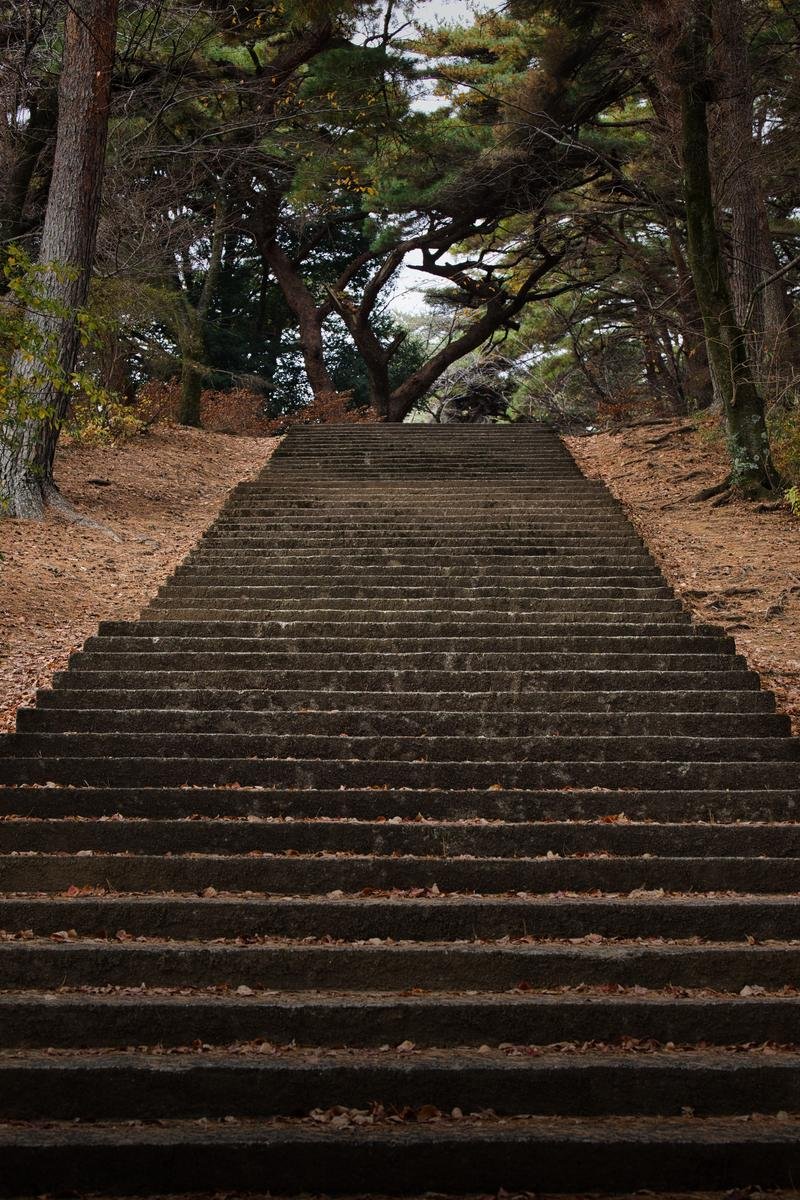
Photo: Yuta Sugaya | PAKUTASO License | Source
Address: 2-10-5 Nagatacho, Chiyoda-ku, Tokyo (View on Google Maps)
Hours: 5:00-18:00 (Oct-Mar), 5:00-18:00 (Apr-Sep)
Admission: Free
Getting There: 3-minute walk from Tameike-Sanno Station (Tokyo Metro Ginza/Namboku Lines), Exit 7
Best Time to Visit: Early morning for the best light through the torii tunnel
Time Needed: 30-60 minutes
Dreamed of Kyoto’s Fushimi Inari torii tunnel but don’t have time? Hie Shrine has roughly 90 vermillion torii gates leading up a hillside in the middle of Tokyo’s political district.
Local Tip: Come early in the morning when sunlight filters through the torii gates — it’s genuinely beautiful and you’ll likely have the tunnel to yourself. The shrine is also one of the best-kept-secret photo spots in central Tokyo.
Tourist Mistake: Not realizing the torii tunnel exists. The main entrance doesn’t lead to the tunnel — you need to find the side entrance near the escalator (yes, there’s an escalator up the hill). Look for the red torii on the western side of the shrine grounds.
What’s Nearby: National Diet Building (5 min walk), Akasaka area restaurants (3 min walk)
Hidden Gems Only Locals Know
These are places most tourists never find — but they’re where we locals actually spend our weekends.
Yanaka Ginza
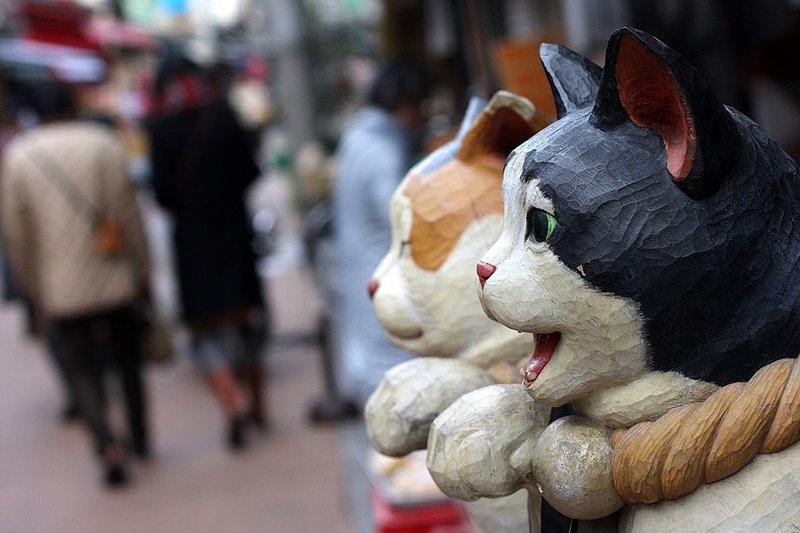
Photo: yeowatzup | CC BY 2.0 | Source
.jpg)
Address: 3-13-1 Yanaka, Taito-ku, Tokyo (View on Google Maps)
Hours: Most shops 10:00-18:00
Admission: Free
Getting There: 5-minute walk from Nishi-Nippori Station (JR Yamanote Line), or 7 minutes from Nippori Station
Best Time to Visit: Late afternoon for the best sunset from Yuyake Dandan
Time Needed: 2-3 hours
My favorite Tokyo neighborhood, and one very few international visitors discover. Yanaka survived WWII air raids, leaving a rare pocket of old-town charm: narrow lanes, wooden houses, independent shops. The highlight is Yuyake Dandan (“Sunset Staircase”) — perfectly west-facing steps where golden light floods the street at dusk. Also famous as a cat neighborhood, with felines napping on walls, in doorways, and on temple grounds.
Local Tip: Start at Nishi-Nippori, walk through Yanaka Cemetery (gorgeous cherry blossoms in spring), then through residential lanes to Yanaka Ginza. End at the sunset staircase for golden hour.
Tourist Mistake: Rushing through. Yanaka rewards slow exploration — duck into alleys, visit the 70+ small temples, sit at a local cafe.
What’s Nearby: Ueno Park (15 min walk), Nezu Shrine (10 min walk), Sendagi area (adjacent)
Kagurazaka
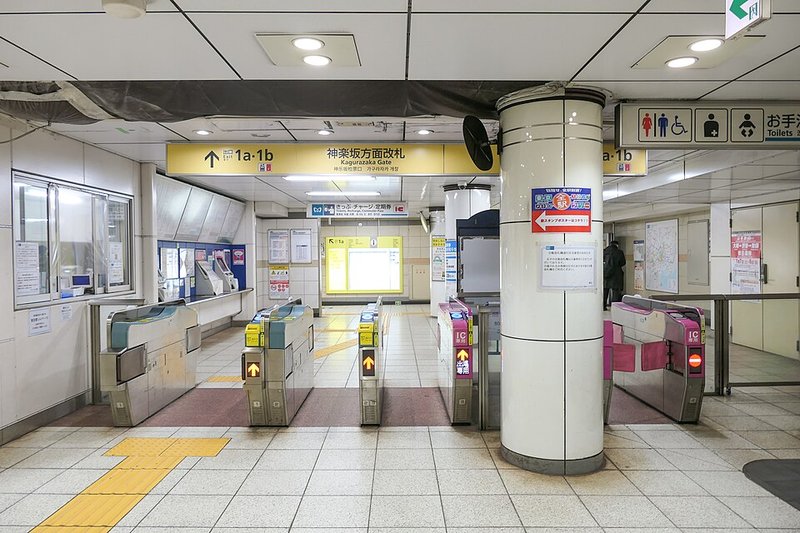
Photo: Tatsuo Nakamura | Pexels License | Source
Address: Kagurazaka, Shinjuku-ku, Tokyo (View on Google Maps)
Hours: Varies by shop; most open 11:00-21:00
Admission: Free
Getting There: 1-minute walk from Kagurazaka Station (Tokyo Metro Tozai Line), Exit 1; or 8 minutes from Iidabashi Station (JR/Metro)
Best Time to Visit: Weekday evenings for the atmospheric cobblestone alleys lit by lanterns
Time Needed: 2-3 hours
A former geisha district reinvented as one of Tokyo’s most charming neighborhoods. The magic is in the cobblestone side alleys — narrow passages with wooden fences, hidden restaurants, and occasional shamisen music. A French influence (from the nearby Institut Francais) gives Kagurazaka an unexpected Parisian flair, with patisseries and bistros alongside traditional Japanese establishments.
Local Tip: Explore “kakurenbo yokocho” (hide-and-seek alleys) behind the main street. Paper lanterns illuminate them at night — truly magical. The Awa Odori festival in July is one of Tokyo’s best local events.
Tourist Mistake: Staying on the main street. Kagurazaka’s soul is in the alleys — if you don’t wander off the main path, you’ve missed everything.
What’s Nearby: Tokyo Dome (15 min walk), Yasukuni Shrine (15 min walk), Iidabashi Station area (5 min walk)
Todoroki Valley (Todoroki Keikoku)
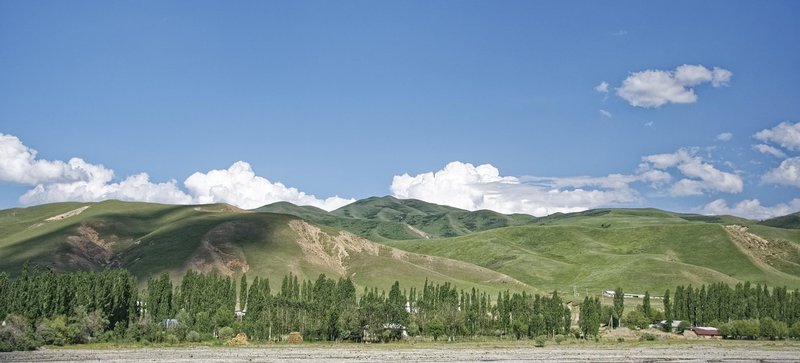
Photo: Makalu | Pixabay License | Source
Address: 1-22 Todoroki, Setagaya-ku, Tokyo (View on Google Maps)
Hours: Open 24/7 (best visited during daylight)
Admission: Free
Getting There: 2-minute walk from Todoroki Station (Tokyu Oimachi Line) — it’s about 20 minutes from Shibuya Station
Best Time to Visit: Weekday mornings in spring or autumn for the most beautiful foliage
Time Needed: 1-1.5 hours
Tokyo’s only valley gorge within the 23 wards, just 20 minutes from Shibuya. Descend the steps and the temperature drops, city noise fades, and you’re walking along a stream through trees and ferns. The 1km path passes small waterfalls, moss-covered walls, and Todoroki Fudoson temple. In autumn, the reflected foliage is spectacular.
Local Tip: A hidden tea house (Setsugetsuka) near the temple serves matcha and wagashi with a lovely view. The valley is also beautiful in light rain when mist hangs over the stream.
Tourist Mistake: Wrong shoes. The path is slippery after rain — wear good grip shoes, not sandals.
What’s Nearby: Todoroki Fudoson Temple (at the end of the valley walk), Futako-Tamagawa shopping area (10 min by train)
Jujo Ginza Shopping Street
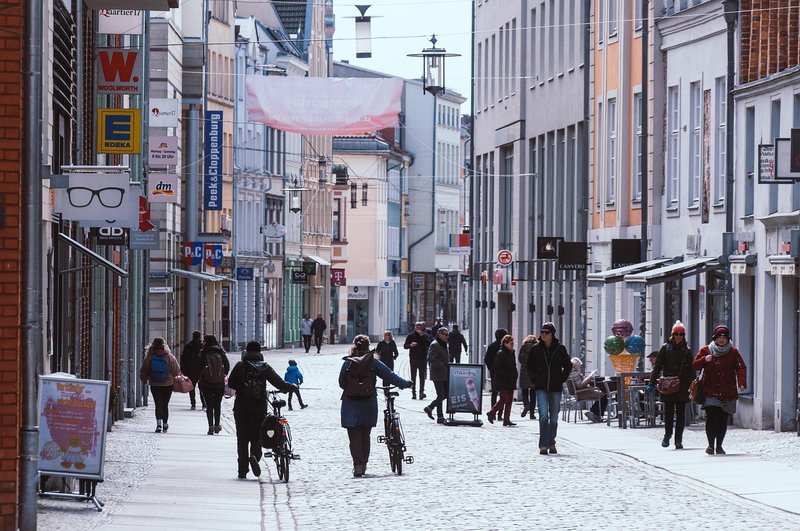
Photo: wal_172619 | Pixabay License | Source
Address: 1-chome Jujo-Nakahara, Kita-ku, Tokyo (View on Google Maps)
Hours: Most shops 10:00-19:00
Admission: Free
Getting There: 1-minute walk from Jujo Station (JR Saikyo Line)
Best Time to Visit: Late morning to early afternoon for the best food stall selection
Time Needed: 1-2 hours
Where regular Tokyoites actually shop, far from any tourist trail. This 400-meter covered street is famous for unbelievably cheap street food: ¥30 croquettes, ¥50 yakitori, ¥100 menchi-katsu. Yes, those prices are real. Shop owners shout out deals, grandmothers do their daily shopping, and the smell of fried food fills the air.
Local Tip: Bring coins — most stalls are cash-only and items cost under ¥100. The chicken croquettes are legendary. Walk the full length, sampling as you go.
Tourist Mistake: Thinking it’s not worth the trip. The 15-minute ride from Ikebukuro is worth it, and you’ll spend under ¥1,000 on a full meal.
What’s Nearby: Jujo Station (adjacent), Oji area and Asukayama Park (10 min by train)
Gotokuji Temple (The Maneki-neko Temple)
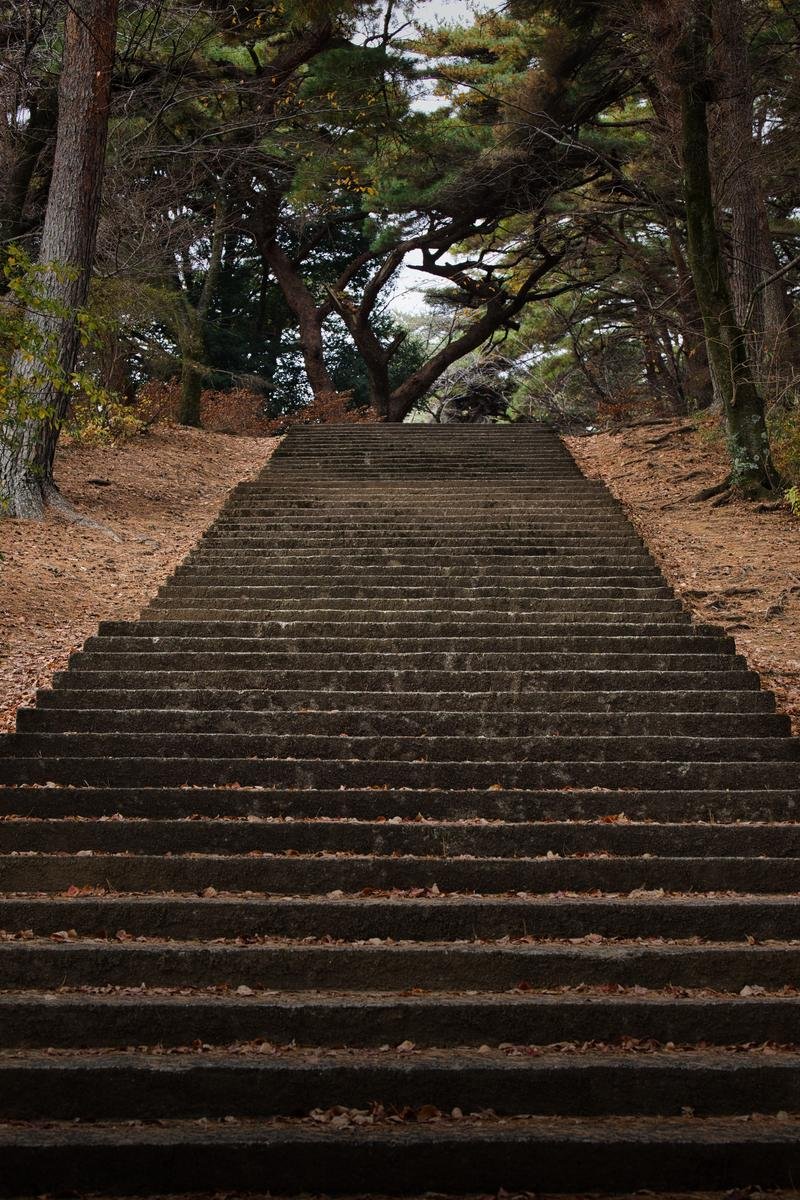
Photo: Yuta Sugaya | PAKUTASO License | Source
Address: 2-24-7 Gotokuji, Setagaya-ku, Tokyo (View on Google Maps)
Hours: 6:00-18:00 (temple grounds)
Admission: Free
Getting There: 10-minute walk from Gotokuji Station (Odakyu Line) or 5 minutes from Miyanosaka Station (Tokyu Setagaya Line)
Best Time to Visit: Weekday mornings for peaceful contemplation
Time Needed: 30-60 minutes
The legendary birthplace of the maneki-neko (beckoning cat). Hundreds — possibly thousands — of white ceramic lucky cats cover the grounds, placed by visitors whose wishes were granted. Buy one at the temple office (¥300-3,000), make a wish, and return it when it comes true.
Local Tip: Buy a small cat (¥300), write your wish on the back, and place it on the designated shelf with all the others. Even if you can’t return when your wish comes true, it’s a meaningful ritual. The autumn foliage here is gorgeous and almost nobody comes for it.
Tourist Mistake: Only photographing the cat display area and leaving. Walk around the full temple grounds — the main hall, the garden, and the pagoda are all beautiful, and the peaceful atmosphere is a world away from central Tokyo.
What’s Nearby: Shimokitazawa (10 min by train — see below), Setagaya Line tram (fun local transit experience)
Shimokitazawa
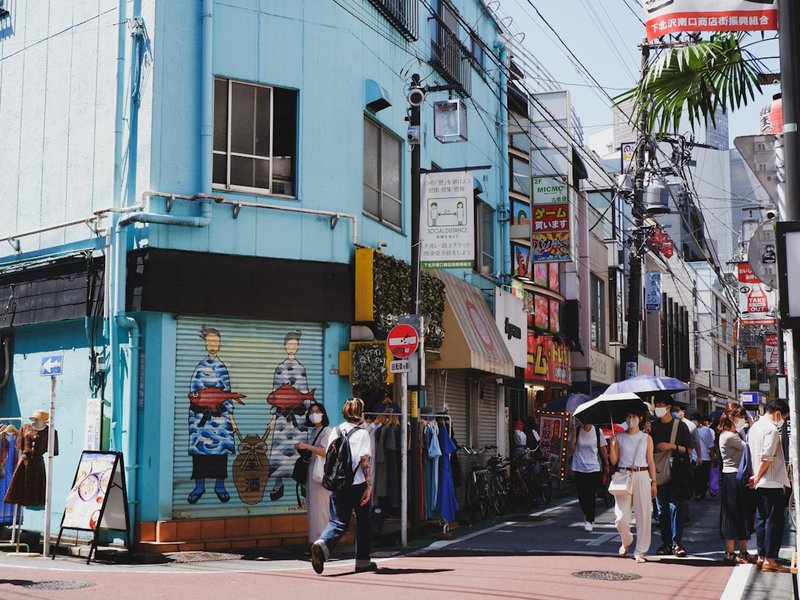
Photo: Susann Schuster | Unsplash License | Source
Address: Kitazawa, Setagaya-ku, Tokyo (View on Google Maps)
Hours: Shops generally 12:00-20:00, restaurants until late
Admission: Free to explore
Getting There: 3 minutes from Shibuya on the Keio Inokashira Line to Shimokitazawa Station
Best Time to Visit: Weekend afternoons for the full vintage shopping experience
Time Needed: 2-4 hours
“Shimokita” is Tokyo’s vintage and indie culture capital — narrow streets packed with secondhand shops, cafes, vinyl records, live music, and craft beer. Recent additions like “Bonus Track” (indie shops on former train tracks) added new energy without losing the scruffy charm.
Local Tip: The best vintage shops are in back alleys south of the station — quality denim, leather, and streetwear for ¥1,000-5,000. Also some of Tokyo’s best small-batch coffee.
Tourist Mistake: Only visiting the north side. The south has the best vintage shops, and Bonus Track (2 min south) has indie bookshops, natural wine, and artisan food.
What’s Nearby: Gotokuji Temple (10 min by train), Shibuya (3 min by train), Shimo-Kitazawa Honda Theater (live performances)
Nakano Broadway
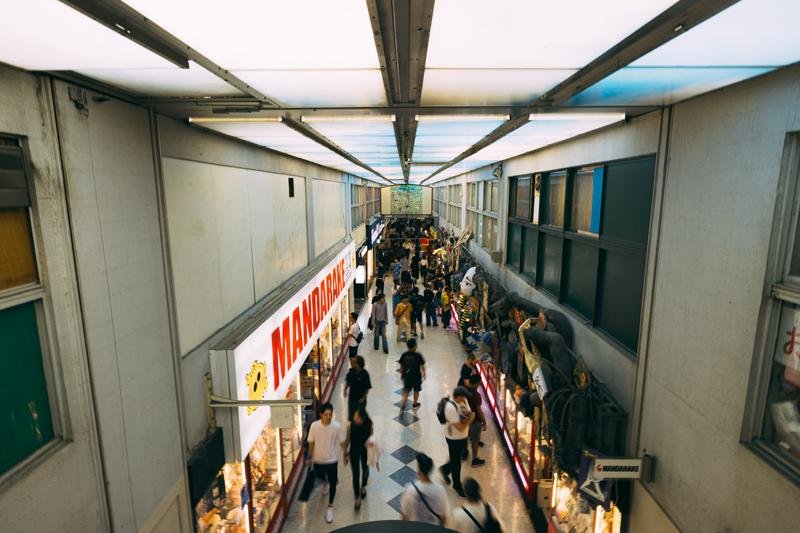
Photo: すしぱく | PAKUTASO License | Source
Address: 5-52-15 Nakano, Nakano-ku, Tokyo (View on Google Maps)
Hours: Most shops 12:00-20:00 (varies; some shops closed on Wednesdays)
Admission: Free to enter
Getting There: 5-minute walk from Nakano Station (JR Chuo Line) North Exit, through Nakano Sun Mall shopping arcade
Best Time to Visit: Weekday afternoons
Time Needed: 1.5-3 hours
Akihabara’s more authentic sibling: a multi-level complex with 300+ shops selling anime figures, vintage manga, rare collectibles, and retro games — often at better prices. The anchor is Mandarake, a legendary used anime/manga chain occupying multiple floors.
Local Tip: Upper floors (3F-4F) have the real treasures — rare manga, vintage toys, collector figures. Don’t miss Daily Chiko’s towering 8-flavor soft-serve near the entrance.
Tourist Mistake: Being underwhelmed by the plain exterior. The best shops are tiny storefronts tucked in corners — explore deeply.
What’s Nearby: Nakano Sun Mall (connected), Nakano Station area restaurants, Araiyakushi Temple (15 min walk)
New in 2026
Tokyo is constantly evolving. Here are the most exciting new additions for 2026:
PokePark Kanto
Opening Date: February 5, 2026
Location: Inside Yomiuriland, Inagi City, Tokyo (View on Google Maps)
What It Is: The world’s first permanent outdoor Pokemon theme park — 26,000m² with nine themed Kanto-region areas
Why Visit: A must for Pokemon fans. Life-sized environments, themed rides, and experiences never available before.
Tickets: Pricing varies — Book on Klook
Local Tip: Combine with the rest of Yomiuriland for a full day trip. Locals also love its winter illumination events.
Kawaii Monster Land
Opening Date: February 13, 2026
Location: Harajuku/Takeshita-dori area, Shibuya-ku, Tokyo (View on Google Maps)
What It Is: Indoor amusement facility celebrating Harajuku’s kawaii culture — a successor to the beloved Kawaii Monster Cafe. One of Tokyo’s most Instagrammable new spots.
Tickets: Check official website for pricing
Tokyo Dream Park
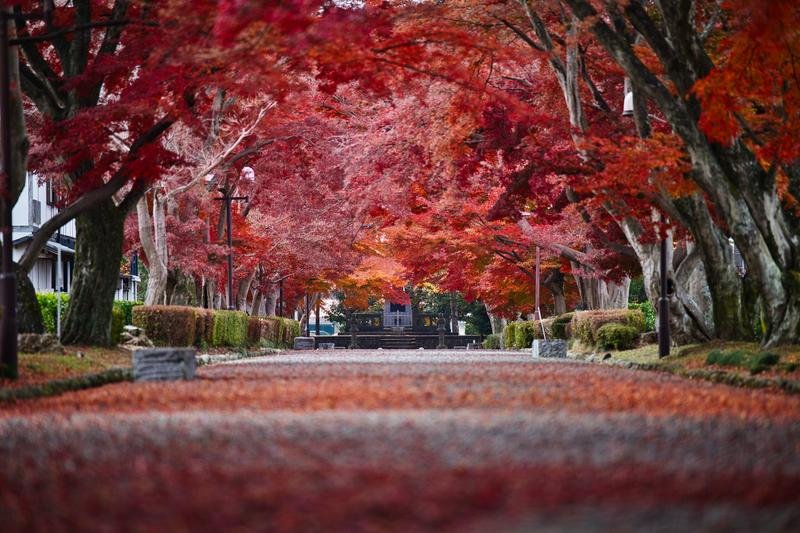
Photo: Yuta Sugaya | PAKUTASO License | Source
Opening Date: March 27, 2026
Location: Ariake, Koto-ku, Tokyo (View on Google Maps)
What It Is: 9-story entertainment complex by TV Asahi — character experiences, immersive attractions, dining, shopping
Tickets: Pricing TBA — Check Klook for advance tickets
Edo-Tokyo Museum (Reopening)
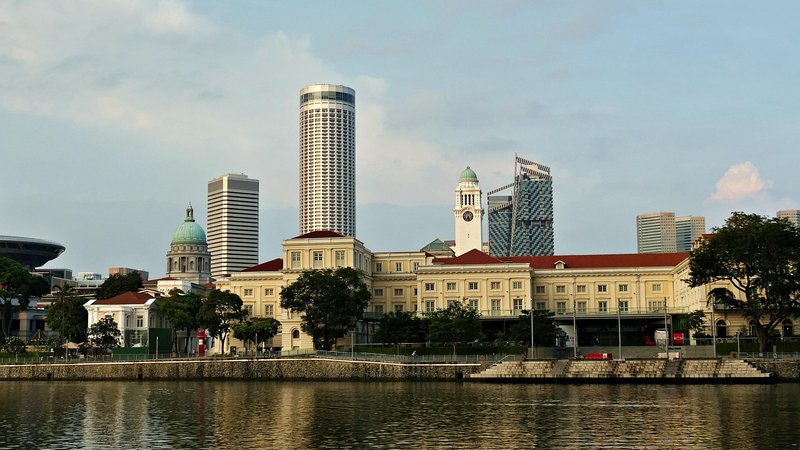
Photo: zibik | Pixabay License | Source
Opening Date: March 31, 2026
Location: 1-4-1 Yokoami, Sumida-ku, Tokyo (View on Google Maps)
What It Is: One of Tokyo’s best museums, reopening after renovations since 2022. Life-size Edo-period recreations, interactive exhibits, and historical artifacts — now with modern technology updates.
Tickets: Expected ~¥600 (~$4 USD); pricing may change — check official website
MoN Takanawa (Museum of Narratives)
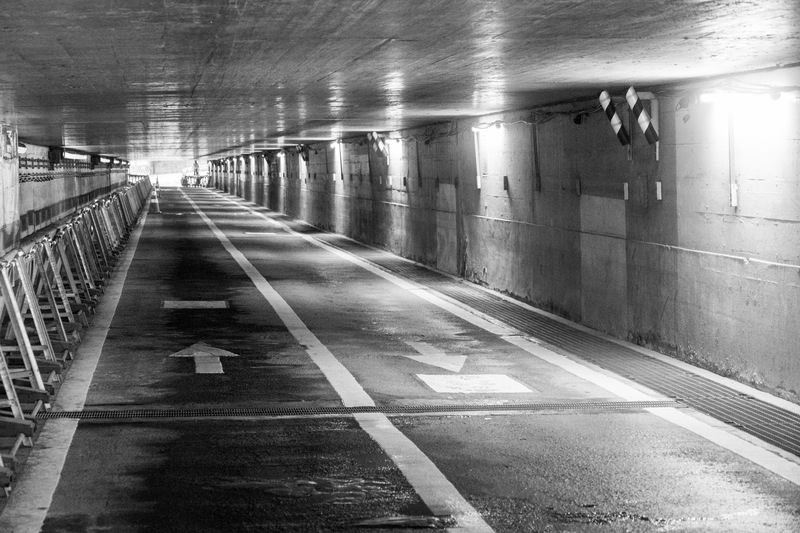
Photo: 鳩に憧れるしまりす | PAKUTASO License | Source
Opening Date: March 28, 2026
Location: Takanawa Gateway area, Minato-ku, Tokyo (View on Google Maps)
What It Is: A spiral-shaped cultural complex by architect Kengo Kuma (designer of the 2020 Olympic Stadium), featuring art, music, film, and performances
Tickets: Varies by exhibition
Also Opening in 2026
- OIMACHI TRACKS (Mar 28) — Cinema, sauna, bookstore complex at Oimachi Station
- Yona Yona Tokyo Brewery (Mar 30) — Yo-Ho Brewing’s taproom with 30+ craft beer taps at Shinagawa Intercity. A must for beer lovers
- Sailor Moon Shining Theater (Apr) — Permanent stage show at Shinagawa Prince Hotel with live performances and visual effects. Anime fans, take note
Best Experiences to Book
These are the experiences that turn a good trip into an unforgettable one. We’ve personally tried or thoroughly vetted each one.
Save time & money: Booking in advance often gives you skip-the-line access and lower prices than buying at the door.
Immersive Art Experiences
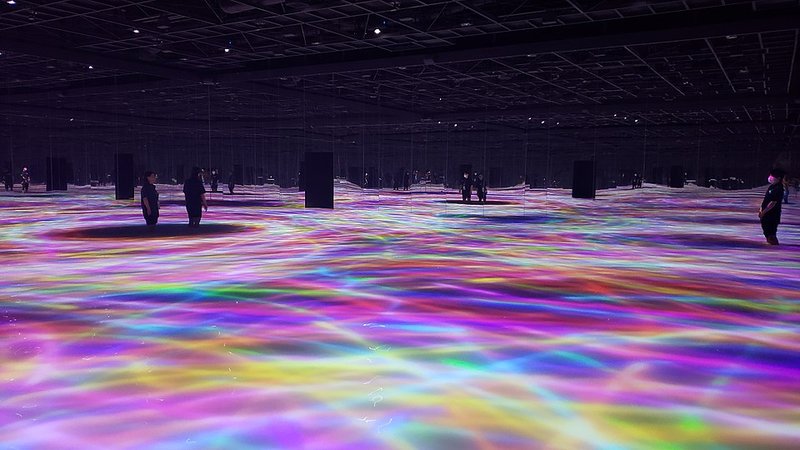
Photo: Sasa0403 | CC BY-SA 4.0 | Source

| Experience | Duration | Price | Best For | Our Rating |
|---|---|---|---|---|
| teamLab Borderless (Azabudai Hills) | 2-3 hours | ~¥3,800+ (~$26+ USD) | Art lovers, photographers | ★★★★★ |
| teamLab Planets (Toyosu) | 1.5-2 hours | ~¥3,800+ (~$26+ USD) | Everyone, especially first-timers | ★★★★★ |
Prices as of February 2026; prices may vary by date and time slot.
teamLab Borderless at Azabudai Hills features 70+ immersive installations. teamLab Planets in Toyosu is more physical — wading through water, walking on mirrors — and has been extended through 2027.
Local Tip: Planets is better for first-timers (more focused, tactile). Borderless suits repeat visitors and art lovers. Both sell out on weekends — book 1-2 weeks ahead.
Food & Cooking Experiences
| Experience | Provider | Duration | Price | Our Rating |
|---|---|---|---|---|
| Tsukiji Market Food Tour | GetYourGuide | 3 hours | ~$80 | ★★★★★ |
| Sushi Making Class | Klook | 2-2.5 hours | ~¥8,000-12,000 (~$55-80) | ★★★★★ |
| Ramen Making Workshop | Klook | 2 hours | ~¥6,000-8,000 (~$40-55) | ★★★★☆ |
| Japanese Tea Ceremony | GetYourGuide | 1-1.5 hours | ~¥3,500 (~$24) | ★★★★☆ |
| Sake Tasting Experience | Viator | 2 hours | ~¥5,000-8,000 (~$35-55) | ★★★★☆ |
Prices may vary by provider and date.
Local Tip: The sushi making class is our top food experience pick — you learn a real skill, eat amazing sushi you made yourself, and good instructors are former sushi chefs with fascinating insights.
Cultural & Active Experiences
| Experience | Provider | Duration | Price | Our Rating |
|---|---|---|---|---|
| Kimono Rental in Asakusa | Klook | Full day | ~¥3,000+ (~$20+) | ★★★★★ |
| Go-Kart City Tour | GetYourGuide | 1-2 hours | ~¥8,500+ (~$58+) | ★★★★☆ |
| Sumo Wrestling Morning Practice Visit | Viator | 2-3 hours | ~¥5,000 (~$35) | ★★★★★ |
| Samurai Training Experience | GetYourGuide | 1.5 hours | ~¥5,000-8,000 (~$35-55) | ★★★★☆ |
| Taiko Drumming Lesson | Klook | 1 hour | ~¥5,000 (~$35) | ★★★★☆ |
| Kintsugi Workshop | Viator | 2 hours | ~¥5,000-8,000 (~$35-55) | ★★★★☆ |
Prices may vary by provider and date.
Local Tip: Sumo morning practice is mesmerizing — watching athletes train in a traditional stable is truly unique. Book well ahead (spots are very limited) and maintain silence during practice.
Day Trips from Tokyo
| Experience | Provider | Duration | Price | Our Rating |
|---|---|---|---|---|
| Mt. Fuji & Hakone Day Trip | Klook / GetYourGuide | 10-12 hours | ~¥10,000-15,000 (~$70-100) | ★★★★★ |
| Kamakura Day Trip with Guide | Viator | 8 hours | ~¥8,000-12,000 (~$55-80) | ★★★★☆ |
| Nikko Shrines & Nature Tour | GetYourGuide | 10 hours | ~¥10,000-15,000 (~$70-100) | ★★★★☆ |
Prices may vary by provider and date.
How Much Does Tokyo Cost?
Japan has options for every budget. Here’s what to expect per person, per day (as of February 2026):
| Category | Budget | Mid-Range | Luxury |
|---|---|---|---|
| Accommodation | ¥3,000-5,000/night (~$20-35) Hostels, capsule hotels | ¥10,000-20,000/night (~$70-140) Business hotels, 3-star | ¥30,000+/night (~$200+) Luxury hotels, ryokan |
| Meals | ¥500-1,000/meal (~$3.50-7) Konbini, ramen, gyudon | ¥1,500-3,000/meal (~$10-20) Mid-range restaurants, izakaya | ¥5,000-15,000+/meal (~$35-100+) Omakase, kaiseki |
| Transport | ¥800-1,000/day (~$5.50-7) IC card, walking | ¥1,500/day (~$10) IC card + occasional taxi | ¥3,000+/day (~$20+) Taxis, private transfers |
| Activities | ¥0-1,000/day (~$0-7) Free temples, parks, observatories | ¥2,000-5,000/day (~$14-35) Museums, experiences | ¥10,000+/day (~$70+) Premium tours, private guides |
| Daily Total | ¥5,300-8,000 (~$37-55) | ¥15,000-29,500 (~$100-200) | ¥48,000+ (~$325+) |
Exchange rate used: ~¥145 = $1 USD. Rates fluctuate; check current rates before your trip.
Money Saver: Japanese konbini (7-Eleven, Lawson, FamilyMart) are nothing like convenience stores elsewhere — onigiri (~¥150), bento (~¥500-700), and sandwiches are genuinely delicious. Locals eat them regularly. Combine with free observatories, free shrines, and ¥900 ramen, and you can do Tokyo for under $50/day.
Suggested Itineraries
If You Have 1 Day (The Essential Tokyo Sprint)
| Time | Activity | Area |
|---|---|---|
| 7:00 | Tsukiji Outer Market breakfast — fresh sushi and tamagoyaki | Tsukiji |
| 9:30 | Senso-ji Temple & Nakamise-dori (relatively quiet at this hour) | Asakusa |
| 11:00 | Walk through Kappabashi Kitchen Street | Asakusa/Ueno |
| 12:30 | Lunch at a ramen shop near Akihabara or explore Akihabara briefly | Akihabara |
| 14:00 | Meiji Jingu Shrine & walk through the forest | Harajuku |
| 15:30 | Takeshita Street & Harajuku / Omotesando window shopping | Harajuku |
| 17:00 | Shibuya Sky (book the sunset slot in advance!) | Shibuya |
| 19:00 | Dinner and drinks at Omoide Yokocho or Golden Gai | Shinjuku |
If You Have 3 Days
Day 1: Classic Tokyo — Tsukiji breakfast, Senso-ji, Akihabara, Meiji Jingu, Harajuku, Shibuya Sky at sunset, Omoide Yokocho dinner
Day 2: Culture & Hidden Gems — Shinjuku Gyoen, Yanaka Ginza, Kagurazaka’s cobblestone alleys, teamLab in the afternoon, dinner in Roppongi
Day 3: Local Tokyo — Shimokitazawa vintage shopping, Todoroki Valley nature walk, a 2026 attraction (PokePark Kanto or Tokyo Dream Park), depachika farewell dinner
If You Have 1 Week
Days 1-3: Follow the 3-day itinerary above.
Day 4: Free observatory at Tocho, Nakano Broadway, Kichijoji (Inokashira Park + Harmonica Yokocho)
Day 5: Day trip — Mt. Fuji & Hakone, Kamakura, or Nikko (book in advance)
Day 6: Sushi making class, Ginza depachika, teamLab, Kagurazaka dinner
Day 7: Hidden gem morning (Gotokuji, Jujo Ginza, or Hie Shrine), souvenir shopping at Tokyo Station Gransta
Seasonal Highlights
| Season | Best For | Key Events | What to Wear |
|---|---|---|---|
| Spring (Mar-May) | Cherry blossoms, pleasant weather | Sakura season (late Mar-early Apr), Nezu Shrine Azalea Festival (Apr-May) | Light layers, rain jacket for occasional showers |
| Summer (Jun-Aug) | Festivals, fireworks, lively energy | Sumida River Fireworks (last Sat of Jul), Bon Odori festivals, beer gardens | Light, breathable clothing. Humidity is intense |
| Autumn (Sep-Nov) | Fall foliage, ideal temperatures | Koyo/autumn colors (mid Nov-early Dec), Rikugien Garden illumination | Layers, light jacket |
| Winter (Dec-Feb) | Illuminations, fewer crowds, clear skies | New Year hatsumode (Jan 1-3), Marunouchi & Omotesando illuminations | Warm coat, layers (rarely below freezing but feels cold) |
Cherry Blossom Season (Sakura) — Late March to Mid-April
2026 forecast: first bloom ~March 20-21, full bloom ~March 28.
Top spots: Shinjuku Gyoen (1,000+ trees, reservation required some weekends), Ueno Park (800 trees, biggest hanami party scene), Meguro River (830 trees, stunning night illumination), Chidorigafuchi (boat rental under blossoms), Yanaka Cemetery (uncrowded local favorite).
Local Tip: Walk the Meguro River at night when illuminated blossoms reflect in the water. Arrive by 6 PM. Nakameguro nearby has great restaurants for dinner afterward.
Summer Fireworks — July-August
Sumida River Fireworks (last Saturday of July) is Tokyo’s biggest — 20,000+ fireworks near Asakusa. Skip the packed official areas; book a rooftop bar or walk south toward Kuramae for less crowded views.
Autumn Foliage — Mid-November to Early December
Top spots: Rikugien Garden (evening illumination, ¥300), Mt. Takao (easy hike, 50 min from Shinjuku), Meiji Jingu Gaien (golden ginkgo avenue).
Winter Illuminations — November to February
Top spots: Marunouchi (champagne-gold lights near Tokyo Station), Omotesando, Roppongi Hills (Christmas market), Caretta Shiodome (free themed show).
Practical Tips & Etiquette
Getting Around
- IC Card (Suica/Pasmo): Essential. Tap for trains, buses, convenience stores, vending machines. Available via Apple Pay or physical card at stations. Load ¥3,000-5,000 to start.
- Trains: World’s best system — clean, punctual, comprehensive. Google Maps gives excellent transit directions.
- Walking: You’ll walk 15,000-25,000 steps/day. Comfortable shoes are non-negotiable.
- Taxis: Use the GO app. Doors open automatically — don’t touch them. No tipping.
- Cycling: Docomo Bike Share (¥165/30 min) is great for flat areas like the Imperial Palace loop.
Money
- Cash: Many small restaurants and stalls are cash-only. Carry ¥5,000-10,000 at all times.
- ATMs: 7-Eleven and Japan Post ATMs accept international cards. Most bank ATMs do not.
- Tipping: Don’t. It’s not part of Japanese culture and can cause confusion.
Etiquette Reminders
- Shoes off when you see a step up and shoe rack at an entrance (homes, traditional restaurants, some temples)
- No eating while walking. Eat at the stall or find a bench (festivals excepted)
- Escalators: Stand left, walk right (in Tokyo; reversed in Osaka)
- Quiet on trains. No phone calls. Set phone to “manner mode” (silent)
- Queue seriously. Never cut in line
- Bow slightly when greeting or thanking — a gentle head nod is fine for visitors
Tourist Mistake: Blowing your nose loudly in public. Sniffling is considered more polite in Japan. Step away to blow your nose.
Essential Apps
- Google Maps — Transit, walking, indoor station maps all work excellently in Japan
- Google Translate — Camera mode translates menus and signs in real-time
- Suica (Apple Wallet) — Virtual IC card for contactless payments everywhere
- GO — Taxi hailing app with English interface
- Tabelog — Japan’s best restaurant review app (3.5+ = excellent)
What to Bring
- Portable battery — Your phone is your lifeline for maps, translation, and payments
- Small towel — Many restrooms lack hand dryers; locals always carry one
- Comfortable walking shoes — Non-negotiable
- eSIM or Pocket Wi-Fi — Stay connected (Best Japan eSIM options)
- Reusable bag — Plastic bags cost ¥3-5 at all stores
Quick Checklist
- [ ] Set up Suica (Apple Pay or physical card at airport)
- [ ] Download offline Google Maps for Tokyo
- [ ] Book teamLab, Shibuya Sky, and must-do experiences in advance
- [ ] Check Japan entry requirements (Visit Japan Web)
- [ ] Bring portable battery and comfortable walking shoes
- [ ] Carry cash (at least ¥10,000)
- [ ] Download Google Translate with Japanese offline package
FAQ
Q: Is Tokyo safe for tourists?
Extremely safe. Tokyo consistently ranks as one of the safest major cities in the world. You can walk alone at night in virtually any neighborhood without concern. Lost wallets are routinely turned in to police boxes (koban) with all cash intact. That said, use normal common sense — petty theft, while rare, can happen in very crowded areas.
Q: Do I need to speak Japanese to visit Tokyo?
No. Most stations and tourist areas have English signage, many restaurants have English or picture menus, and Google Translate handles the rest. Useful phrases: “Sumimasen” (excuse me), “Arigatou gozaimasu” (thank you), “Kore kudasai” (this one, please).
Q: What’s the best time to visit Tokyo?
Late March to mid-April (cherry blossoms) and mid-November to early December (autumn foliage) are the most beautiful but busiest. For the best balance, try mid-May, October, or early November. Avoid Golden Week (late Apr-early May) and Obon (mid-Aug) when prices spike.
Q: How many days do I need in Tokyo?
Minimum 3 full days for major highlights. 5-7 days is ideal to include hidden gems and a day trip (Mt. Fuji, Kamakura, or Nikko). Even after 20 years, I’m still discovering new things.
Q: Should I get a Japan Rail Pass for Tokyo only?
Probably not. The JR Pass is for long-distance travel (Tokyo-Kyoto-Osaka). For Tokyo only, a Suica/Pasmo IC card is cheaper and more convenient. If you’re also visiting other cities, then the JR Pass offers excellent value.
Q: Is it worth visiting Toyosu Fish Market for the tuna auction?
It’s unique but requires planning. Viewing slots are 5:45-6:25 AM and require winning a lottery — applications open in the early part of each month for the following month. If you don’t win, Tsukiji Outer Market for breakfast is equally enjoyable with no planning needed.
Q: How do I get from the airport to central Tokyo?
Narita: Narita Express (60 min to Tokyo Station, ¥3,250) or Skyliner (36 min to Ueno, ¥2,520). Budget: Keisei Line (70-90 min, under ¥1,300). Haneda: Tokyo Monorail (13 min, ¥500) or Keikyu Line (11-18 min, ¥300-500). Haneda is much closer and preferred if you have a choice.
Plan Your Trip
Ready to explore Tokyo? Here are the best ways to book your experiences:
- Tours & Activities: Browse top-rated Tokyo tours on Klook | GetYourGuide Tokyo | Viator Tokyo
- Accommodation: Find Tokyo hotels on Booking.com
- Transport: Japan Rail Pass — Read our complete JR Pass guide
- WiFi/SIM: Best Japan eSIM options
Related Guides
- Best Day Trips from Tokyo
- Where to Stay in Tokyo: Neighborhood Guide
- Complete Tokyo Food Guide
- Japan Rail Pass: Is It Worth It?
- Tokyo Cherry Blossom Guide
Get Local Tips Delivered: Sign up for our free newsletter with weekly insider travel tips from Japan residents. Subscribe here
About the Author
Takehiko was born and raised in Japan and has lived in the Tokyo/Saitama area his entire life. With 52 years of local experience, he’s explored every corner of Tokyo’s 23 wards, eaten at countless restaurants, and knows the cultural context behind the customs that most travel blogs can only guess at.
Have questions about visiting Tokyo? Drop a comment below — as a local resident, I’m happy to help you plan your perfect trip!
This article contains affiliate links. When you book through these links, we earn a small commission at no extra cost to you. This helps us keep creating free, honest travel guides. Read our full disclosure.
Recommended YouTube channels for Tokyo trip planning:
– Paolo fromTOKYO — A long-term Tokyo resident with incredibly detailed local guides
– Allan Su — Practical travel tips and transportation guides for Tokyo visitors